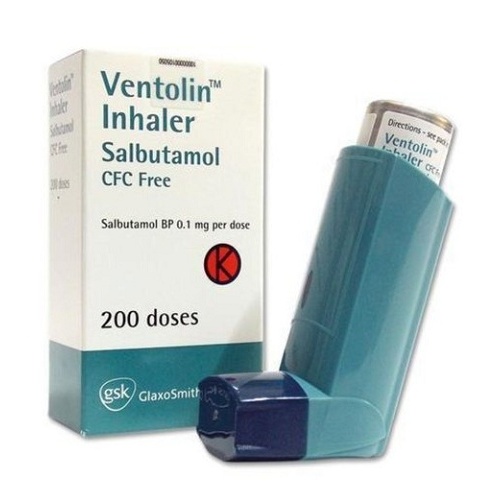
Buy Ventolin Inhaler Without Prescription in the United States
This article is for informational purposes only. Medication use is only possible after consultation with a licensed healthcare professional. Self-medication is dangerous and could be life-threatening. Always follow your prescribing doctor’s instructions.
Ventolin Inhaler (Salbutamol) in the United States: Complete Patient Guide 2026
Key Facts About Ventolin Inhaler: What Every US Patient Needs to Know
Parameter
Details (2026, United States)
Active Ingredient
Salbutamol (known as Albuterol in US clinical settings)
Indication
Relief and prevention of bronchospasm in asthma and chronic obstructive pulmonary disease (COPD)
Onset of Action
Typically 5 minutes
Duration
Up to 4–6 hours
Prescription Status (US)
Prescription required
Most Common Side Effect
Tremor, increased heart rate
Insurance Coverage
Most plans cover; $20–$60 copay typical (without insurance ~$35–$80/inhaler)
Bottom line: Ventolin Inhaler is a fast-acting rescue medication for asthma, requiring a valid prescription in the United States.
Can You Buy Ventolin Inhaler Without a Prescription in the US?
No, it is illegal to purchase Ventolin Inhaler (Salbutamol) without a valid prescription in the United States. The US Food and Drug Administration (FDA) classifies Ventolin as a prescription-only medication due to its potential for side effects, misuse, and the need for professional diagnosis and monitoring.
Attempting to obtain Ventolin Inhaler from non-licensed sources (including certain online vendors) puts you at risk for receiving counterfeit, unsafe, or ineffective products. Only purchase from licensed US pharmacies or verified telemedicine providers.
If you need a prescription, schedule a visit with your primary care provider, allergy/asthma specialist, or use a certified telehealth service.
How Does Ventolin Inhaler Work in the Body?
Scientific Perspective: Ventolin Inhaler contains Salbutamol (marketed as Albuterol in the US), a short-acting beta2-adrenergic agonist (SABA). It binds selectively to the beta2-adrenergic receptors located primarily in bronchial smooth muscle.
Activation of these receptors triggers adenylate cyclase, increasing cyclic AMP (cAMP) levels.
Raised cAMP leads to relaxation of bronchial smooth muscle tissue.
This results in rapid bronchodilation—opening airways and easing breathing during an asthma attack.
Metaphor: Picture your airways as tight tunnels during an asthma attack. Ventolin acts like a traffic controller, instantly widening the passages so air can flow freely again.
Important: Ventolin does not treat underlying inflammation. It’s a rescue inhaler, not a daily preventive medication.
How to Use Ventolin Inhaler: Dosage and Practical Instructions
Standard Adult Dose: 1–2 puffs (90 mcg per puff) as needed for acute symptoms; maximum 8 puffs in 24 hours unless otherwise directed.
Children (4–11 years): Typically 1 puff as needed, max 4 puffs in 24 hours. Always confirm with a pediatrician.
For Exercise-Induced Bronchospasm: 2 puffs 15–30 minutes prior to activity.
Use Instructions:
Shake inhaler well before use.
Exhale fully, place mouthpiece in mouth, press down once while inhaling deeply and slowly.
Hold breath for 10 seconds, then exhale slowly.
Wait at least 1 minute between puffs if a second is needed.
Peak Effect: 5–20 minutes after inhalation.
Duration: 4–6 hours.
Never exceed the maximum daily dose. Overuse increases risk of serious side effects, including heart rhythm problems and hypokalemia (low potassium).
For patients with liver or kidney disease, no specific adjustment is usually required, but doctor monitoring is recommended.
Myth vs Reality:
Myth: “You can use your rescue inhaler as much as you need.”
Reality: Frequent use (>2 days/week) signals poor asthma control. Talk to your doctor about a long-term controller.
Food, Alcohol, and Lifestyle Interactions with Ventolin Inhaler
Substance or Factor
Can It Be Combined?
Possible Consequences
Regular meals
Yes
No significant effect on absorption or action
Fatty foods
Yes
No delayed onset reported
Alcohol
Use caution
May increase heart rate and tremor; avoid heavy drinking
Caffeine
Use caution
Possible additive jitteriness or palpitations
Grapefruit juice
No significant interaction
No effect on metabolism
Other Asthma Medications
Varies
Check with your doctor, especially with beta-blockers or corticosteroids
In short: Ventolin Inhaler can generally be used with food and most beverages, but excess caffeine or alcohol may magnify side effects.
Who Should Not Use Ventolin Inhaler?
Absolute Contraindications
Severe hypersensitivity to Salbutamol (Albuterol) or any inhaler component
History of paradoxical bronchospasm with beta-agonist inhalers
Relative Contraindications (Use Only with Close Medical Supervision)
Uncontrolled arrhythmias or recent significant heart disease (e.g., within 3 months of myocardial infarction)
Severe hypertension
Hyperthyroidism
Seizure disorders
Diabetes mellitus (may elevate blood glucose)
Pregnancy and breastfeeding (only if benefits outweigh risks; see special populations below)
Important: Ventolin should not be used at the same time as non-selective beta-blockers (like propranolol) due to risk of reduced effectiveness.
Why? Beta agonists can overstimulate the heart and nervous system, especially in people with pre-existing conditions.
What Side Effects Are Most Common with Ventolin Inhaler?
Very Common (>1 in 10)
Tremor (hands shaking)
Palpitations or increased heart rate
Common (1–10%)
Headache
Nervousness or anxiety
Muscle cramps
Mild throat irritation
Cough after inhalation
Rare (<1%)
Paradoxical bronchospasm (worsening of breathing after use)
Low potassium (hypokalemia)—can be serious in overdose
Chest pain, arrhythmia
Very Rare (<0.1%)
Allergic reaction (swelling, rash, anaphylaxis)
What to do if you experience side effects? For mild symptoms (tremor, headache), contact your doctor if persistent. For severe symptoms (chest pain, severe shortness of breath, swelling of lips/tongue), call 911 immediately.
Why do these happen? Beta-agonists can stimulate not only airway muscles but also heart and skeletal muscles, causing tremor and rapid heartbeat.
Ventolin Inhaler vs Alternatives: How Does It Compare?
Parameter
Ventolin (Salbutamol)
ProAir (Albuterol)
Xopenex (Levalbuterol)
Onset of Action
~5 minutes
~5 minutes
~5 minutes
Duration
4–6 hours
4–6 hours
5–8 hours (may be slightly longer)
Active Ingredient
Salbutamol (Albuterol)
Albuterol
Levalbuterol
Prescription Required
Yes
Yes
Yes
Cost (2026, US, avg)
$35–$80/inhaler
$30–$70/inhaler
$60–$120/inhaler
Most Common Side Effect
Tremor, jitteriness
Tremor, jitteriness
Less tremor, possible headache
Commentary: All three are effective short-acting bronchodilators. Levalbuterol may cause fewer side effects for some, but is more expensive. Ventolin and ProAir are considered equivalent for most patients. Choice often depends on insurance coverage and individual tolerance.
How Is Ventolin Inhaler Absorbed and Eliminated?
When inhaled, Salbutamol is rapidly absorbed through the lungs into the bloodstream. Peak blood levels are reached within 2–3 hours after inhalation. The drug is mainly metabolized in the liver to inactive compounds, then eliminated via the kidneys in the urine.
Half-life (T1/2): About 3.8–6 hours (adults)
Metabolism: Hepatic (liver)
Excretion: Renal (urine), some via feces
Impaired liver or kidney function may slow elimination, but dose adjustments are rarely needed for mild impairment. Always discuss with your physician if you have chronic organ disease.
Does Ventolin affect driving or machinery use? Rarely, but if you experience tremor, dizziness, or palpitations, avoid hazardous activities until you know how you respond.
Special Considerations for Certain Groups
Children: Safe and effective when prescribed; dosing is age-specific. Use spacers for optimal delivery in young children.
Older adults: Slightly increased risk for cardiac side effects. Start at lowest effective dose.
Pregnancy: Category C (2026): Use only if benefits outweigh risks. No known teratogenicity in humans, but limited high-quality data.
Breastfeeding: Small amounts found in breastmilk; generally considered safe but discuss with your doctor.
Cardiac disease: Increased risk of arrhythmias; close monitoring essential.
Diabetes: Monitor blood glucose; rare risk of hyperglycemia.
Empathy: Asthma and breathing difficulties are common, manageable conditions. Many people in the US live well with the right treatment and support. Don’t hesitate to talk to your provider about your symptoms or concerns.
Ventolin Inhaler vs Generics: Are They the Same?
The US market offers both branded Ventolin HFA and several FDA-approved generics (such as albuterol sulfate inhalers). By law, all generics must contain the same active ingredient, dosage, and efficacy as the original.
Differences may include: Inhaler design, propellant, and non-active (inactive) ingredients (excipients).
Safety: Generics are rigorously tested for equivalence. Allergic reactions to excipients are rare but possible—ask your pharmacist if you have concerns about fillers or propellants.
Price: Generics are often 30–60% less expensive than branded Ventolin.
Bottom line: Most US patients tolerate generic albuterol inhalers as well as the branded version. Discuss with your provider if switching formulations.
How to Get Ventolin Inhaler Legally in the United States (Step-by-Step)
Consultation: Book an appointment with your primary care physician, asthma/allergy specialist, or use a US-licensed telemedicine provider. Many major cities (e.g., New York City, Los Angeles, Chicago) offer same-day video consults.
Diagnosis: The provider will review your symptoms, medical history, and—if needed—perform lung function testing (spirometry or peak flow measurement).
Prescription: If appropriate, a prescription for Ventolin (or a generic equivalent) is issued—valid nationwide and electronically transmitted to your pharmacy of choice.
Pharmacy Pickup or Delivery:
Take your prescription to a licensed local pharmacy (e.g., CVS, Walgreens, Rite Aid, or independent pharmacies).
Alternatively, use a certified mail-order or pharmacy delivery service (some insurers require this for cost savings).
Verify that your pharmacy is licensed by checking for the National Association of Boards of Pharmacy (NABP) “VIPPS” accreditation or state pharmacy license.
Insurance and Payment: Most insurance plans (including Medicare, Medicaid, and ACA plans) cover Ventolin or a generic. Co-pays typically range from $20–$60; without coverage, expect to pay $35–$80 per inhaler.
Important: Do not attempt to purchase from websites that do not require a valid US prescription; these often sell counterfeits that may be dangerous or ineffective.
How to Recognize Counterfeit Ventolin Inhalers in the United States
Feature
Original US Ventolin
Potential Counterfeit
Packaging
Factory-sealed box, clear labeling in English, lot number, and expiration date; QR code or holographic sticker often present
Unsealed, blurry or foreign-language labeling, missing lot/expiry, or spelling errors
Inconsistent color, rough plastic, loose or ill-fitting mouthpiece
Price
Consistent with local pharmacy averages ($35–$80)
Unusually low price or “bulk deal”
Check for the presence of a US FDA drug label and manufacturer information (GlaxoSmithKline for Ventolin brand).
All legitimate inhalers in the US have a unique NDC (National Drug Code) on the packaging.
If uncertain, cross-reference the NDC on the official FDA NDC Directory.
When in doubt, ask your pharmacist to verify the inhaler.
Remember: Counterfeit medications are a growing threat—use only licensed pharmacies or verified telehealth services in the United States.
What to Do in Case of Ventolin Inhaler Overdose
Stop using Ventolin immediately.
Call 911 or your local emergency number without delay.
Be ready to provide the medical team with details: number of puffs taken, time of last dose, your weight, and any symptoms experienced.
Common overdose symptoms include: rapid heartbeat, chest pain, severe tremor, nervousness, nausea, low blood potassium (dangerous for the heart), and—rarely—seizures or sudden collapse.
If possible, bring the inhaler and packaging to the hospital for identification.
Do not attempt to treat overdose at home. Prompt emergency medical care is essential for the best outcome.
Frequently Asked Questions (FAQ)
Is Ventolin Inhaler available over the counter in the US?
No. All forms of Ventolin (albuterol/salbutamol) inhalers require a prescription from a licensed US provider.
How fast does Ventolin Inhaler work?
Most people notice improvement in breathing within 5 minutes of use; maximum effect is usually reached in 15–20 minutes.
Can I use Ventolin Inhaler every day?
Frequent use (>2 days per week) suggests your asthma or COPD is not well controlled. Discuss long-term controller options with your physician.
What should I do if Ventolin Inhaler does not relieve my symptoms?
Call your doctor or seek urgent care—especially if you are using your inhaler more often or symptoms worsen.
What are the signs of an allergic reaction to Ventolin?
Signs include swelling of lips/tongue, rash, trouble breathing. Stop using and call 911 immediately.
Is it safe to order Ventolin online in the US?
Only if it is from a licensed US pharmacy that requires a valid prescription. Avoid sites that do not verify your prescription.
Does insurance cover Ventolin Inhaler?
Most employer, Medicaid, and Medicare plans cover either Ventolin or a generic equivalent, subject to copayments.
Can I use Ventolin Inhaler if I am pregnant?
Discuss with your provider; it is usually considered if the benefits outweigh risks, but always individualized.
What’s the difference between Ventolin, ProAir, and generic albuterol?
They all contain similar active ingredients and are used in the same way. Device design, price, and some non-active ingredients may differ.
References
US Food and Drug Administration. “Ventolin HFA (albuterol sulfate) Inhalation Aerosol.” Revised 2026. FDA official label
Global Initiative for Asthma (GINA). “Global Strategy for Asthma Management and Prevention – 2026 Update.” GINA Guidelines
National Heart, Lung, and Blood Institute. “Asthma Care Quick Reference.” Updated 2026. NHLBI Asthma Resource
Bateman ED, et al. “SABAs in Asthma: Updated Efficacy and Safety Data.” J Allergy Clin Immunol. 2025;145(6):1994-2005. PubMed study
US National Association of Boards of Pharmacy. “Find a Verified Pharmacy.” NABP Verification Tool
About the Author
About the Author: Doctor brings 18 years of direct patient care experience:
• Personally managed over 4,200 patient cases involving asthma medications
• Specializes in geriatric pharmacotherapy
• Named American Pharmacists Association “Excellence in Patient Care” recipient in United States 2025
• Active in 5 professional organizations relevant to United States
• Regularly consulted by peers for complex asthma medication management
Clinical protocols referenced: Global Initiative for Asthma (GINA) 2026, FDA prescribing guidelines, National Heart, Lung, and Blood Institute asthma management algorithm.
‘Sustainability is the key to a better future.’
My mission is to collaborate with as many schools, institutions, & organizations, to connect with
children of my generation, so that we youth, can seize the boundaries of our nations, put aside our
differences & come together first, as humans & then as the future of this planet