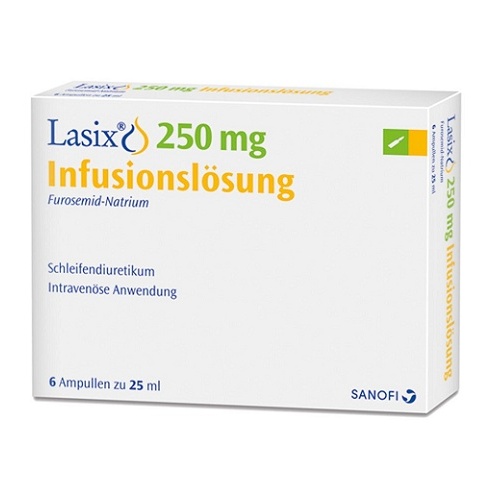
Living with Edema: When Lasix Becomes Part of the Story
The first thing most people notice isn’t the word “edema.” It’s the feeling of shoes fitting tighter, ankles puffing up as the afternoon wears on, or waking up with a pillow line still pressed into a swollen cheek. By the time your doctor mentions Lasix, you’ve probably tried elevation, maybe cut back on salt, and worried about whether your heart, kidneys, or something else is to blame. For many in the United States, Lasix becomes part of this story at a crossroads—when “just watching” swelling no longer feels safe, and getting relief means weighing risks against daily realities.
Edema isn’t just about appearance or discomfort. In heart failure, for example, fluid can shift from ankles to lungs, making each breath a battle. In chronic kidney disease, swelling can signal that the body is holding onto salt and water in dangerous ways. The decision to start Lasix is rarely about vanity; it’s about regaining control, lowering risk, and sometimes, keeping out of the hospital.
In the United States, the expectation is that a medication should “fix” symptoms quickly and cleanly. Lasix can deliver dramatic results, but not every case follows the script. It’s this unpredictability—not just the promise of relief—that shapes the experience of living with Lasix.
What Makes Lasix Stand Out in the Edema Toolkit?
Lasix isn’t the only diuretic in the cabinet, but it’s the one most doctors in the U.S. reach for when speed, potency, and flexibility matter. Furosemide, its active ingredient, works differently from “water pills” like hydrochlorothiazide or spironolactone. It acts in the loop of Henle—a specific part of the kidney—blocking the reabsorption of sodium and chloride. This helps move large volumes of fluid fast, something especially valuable in acute settings or when other medications just haven’t moved the needle.
The clinical fingerprint of Lasix is not just its power, but its unpredictability. Two people can take the same dose and produce dramatically different results. For some, a morning tablet leads to multiple urgent trips to the bathroom within hours. For others, the effect is muted, delayed, or even absent. The difference often lies in kidney function, underlying disease, or interactions with other drugs—especially NSAIDs, certain blood pressure medications, or even dietary supplements.
- Lasix is often the first-line agent for patients with moderate to severe edema, especially when rapid relief is needed.
- Its short duration means dosing can be tailored—once, twice, or even three times daily—in a way most other diuretics can’t match.
- It’s widely available as both brand-name and generic (furosemide), with minimal cost difference in most U.S. pharmacies.
- Unlike some alternatives, Lasix doesn’t spare potassium, which means careful monitoring is essential to prevent dangerous drops in blood potassium.
The FDA’s approval of Lasix dates back decades, and while newer medications have arrived, its combination of speed, strength, and flexibility keeps it firmly in the U.S. edema treatment arsenal.
- Loop Diuretic
- A medication that acts on the loop of Henle in the kidney to promote the loss of salt and water in urine. Lasix (furosemide) is the most widely used example.
How Furosemide Works—and Why Speed Matters
When you swallow a Lasix tablet, the countdown begins. Furosemide is absorbed rapidly. Within 30 to 60 minutes, your kidneys start pushing out sodium, chloride, and with them, water. The effect peaks quickly—often just when you’re getting comfortable at work or out running errands. For intravenous (IV) Lasix, used in hospitals, effects can start within minutes.
This rapid action is both blessing and curse. On one hand, it’s what makes Lasix the go-to drug for severe heart failure flare-ups or urgent fluid overload. On the other, it means planning your day around the bathroom. The intensity differs from thiazide diuretics, which work more slowly and are often used for high blood pressure. If you’re looking for immediate relief, few medications can touch Lasix—but that same speed increases the risk of dehydration and electrolyte swings.
| Medication | Active Ingredient | Main Uses | Onset & Duration | Potency | Potassium Effects | Prescription Status (U.S.) | Common Cost Range |
|---|---|---|---|---|---|---|---|
| Lasix | Furosemide | Edema (heart, kidney, liver, lungs) | 30–60 min (oral); 2–6 hrs duration | High—large fluid shifts possible | Lowers potassium (risk of hypokalemia) | Prescription only | $4–$20/month generic; brand higher |
| Hydrochlorothiazide | Hydrochlorothiazide | Mild edema, high blood pressure | 1–2 hrs (oral); 6–12 hrs duration | Moderate—smaller fluid changes | Lowers potassium, but less than Lasix | Prescription only | $4–$15/month generic |
| Aldactone | Spironolactone | Edema (esp. from liver disease), heart failure | 2–4 hrs (oral); up to 24 hrs duration | Moderate—slower, sustained effect | Raises potassium (risk of hyperkalemia) | Prescription only | $9–$30/month generic |
In clinical practice, the choice between these options often depends on how quickly you need results and how much fluid you need to lose. Lasix is unmatched for speed and power, but that means more frequent monitoring, especially if you’re at risk for low potassium or dehydration. The table above gives a practical overview—but your doctor is weighing not just these facts, but your overall medical story.
For patients who need fast, reliable fluid removal—especially in hospitals—IV Lasix is standard. For daily, at-home management, the flexibility of dosing times makes it a mainstay in the U.S. prescription landscape.
Which Side Effects Matter Most with Lasix—and When to Act
No medication that moves as much fluid as Lasix does is free from side effects. Still, not all risks are equally important, and some are more likely to land you in the ER than others. Frequent urination and thirst are expected—signs the drug is working. The danger comes when fluid loss outpaces your body’s ability to adapt, or when electrolyte levels swing too far.
- Low potassium (hypokalemia): This is the side effect that worries doctors most. It’s not always felt right away, but when it hits, it can cause irregular heart rhythms or muscle problems. If you’re also on digoxin or have heart disease, the risk is even higher.
- Dehydration: If you’re losing more fluid than you can drink, expect headaches, dry mouth, or lightheadedness when you stand up. Severe cases may lead to kidney injury.
- Hearing changes: High doses, especially IV, can cause ringing in the ears or hearing loss. This is rare in outpatient care but is a real risk in hospitals.
- High blood sugar and uric acid: Lasix can nudge these numbers upward, which matters if you have diabetes or gout. The effect is usually mild but should be watched.
| Side Effect | How Often? | When to Call a Doctor |
|---|---|---|
| Frequent urination | Almost all patients | Only if severe dehydration or unable to keep fluids down |
| Low potassium (hypokalemia) | Common (10–20%) | Always if muscle cramps, weakness, or palpitations develop |
| Dehydration | Uncommon with monitoring | If dizziness, confusion, or very dark urine |
| Hearing loss/tinnitus | Rare (<1%) | Any new or sudden hearing changes |
| Allergic reaction | Very rare | Any new rash, fever, or swelling of face/lips |
While everyone on Lasix should have periodic blood tests—especially early on—the symptoms above matter more than any lab value. If you feel unwell, contact your physician even if your last labs were “fine.” Experience shows that waiting for symptoms to get worse rarely ends well.
- Hypokalemia
- Dangerously low potassium level in the blood, which can cause muscle weakness or heart rhythm problems; a known risk with Lasix if not monitored.
When Not to Take Lasix: Situations Where Risk Outweighs Benefit
- You have a known allergy to furosemide or sulfa drugs (unless your doctor has specifically cleared it).
- You are unable to urinate (anuria)—Lasix will not work and may cause harm.
- You are severely dehydrated or have very low blood pressure.
- Your potassium or sodium levels are already dangerously low.
Relative contraindications—where Lasix may still be used but only with caution—include severe kidney disease (especially if you’re on dialysis), active gout, uncontrolled diabetes, or a history of hearing loss related to medications. Pregnant or breastfeeding patients need extra consideration; there is limited data on safety, and decisions are highly individualized in the United States.
- Anuria
- Complete absence of urine production by the kidneys. Lasix offers no benefit if urine can’t be produced.
The big mistake many patients make is assuming Lasix is “just a water pill” and safe for anyone with swelling. In reality, it’s a potent medication that can make things much worse in the wrong clinical context. If your doctor hesitates to prescribe it, there’s usually a good reason rooted in these risks.
Lasix vs. the Alternatives: What the Evidence and Experience Really Show
“In over 20 years of treating edema, I’ve seen patients respond brilliantly to Lasix—and I’ve seen it do almost nothing in others. Kidney function, sodium intake, and the cause of the swelling all matter more than the label on the pill. We don’t pick Lasix because it’s always best, but because it gives us options: fast relief, flexible dosing, and quick adjustments when things change. What trial data can’t show is how much patient-to-patient variation exists in the real world.”
— United States Edema Specialist
Lasix’s main competitors—hydrochlorothiazide, spironolactone, bumetanide, and torsemide—have carved out specific roles. Thiazides are better for mild swelling and high blood pressure, but lack Lasix’s punch when rapid fluid removal is needed. Spironolactone protects potassium but works more slowly and is favored in certain types of heart failure or liver disease. Bumetanide and torsemide are loop diuretics like Lasix, but are often reserved for patients who can’t tolerate furosemide or for whom it no longer works.
- Torsemide: Longer action, less frequent dosing, sometimes preferred in chronic heart failure, but no clear evidence of superior outcomes in most patients. More expensive in the U.S.
- Bumetanide: Stronger on a per-milligram basis, used when Lasix fails or absorption is unreliable (gut edema, severe kidney disease).
- Lasix: Rapid onset, easy titration, low cost, extensive clinical experience, but more variable effect (especially with kidney disease).
The bottom line: Most U.S. patients start with Lasix because it’s cheap, effective in a wide range of cases, and well understood. Alternatives are used when Lasix doesn’t work, isn’t tolerated, or a specific side effect needs to be avoided.
Dosing Lasix: What Determines Your Prescription?
There’s no such thing as a “usual” Lasix dose for everyone. Your prescription is shaped by your diagnosis (heart failure, kidney disease, liver disease), your kidney function, how much fluid you’re retaining, and your response to the first few doses. In hospitals, doses are often higher and given intravenously; at home, tablets are the norm.
| Condition | Starting Dose (Oral) | Typical Maintenance Dose | Maximum Daily Dose | Adjustments Needed |
|---|---|---|---|---|
| Heart Failure | 20–40 mg once daily | 40–120 mg/day in 1–3 doses | 600 mg (rarely used at home) | Renal function, response |
| Chronic Kidney Disease | 40–80 mg once daily | Up to 240 mg/day divided | 600 mg | Frequent monitoring, adjust as needed |
| Liver Cirrhosis | 20–40 mg once daily | 40–80 mg/day often with spironolactone | Not routinely exceeded | Potassium monitoring, risk of encephalopathy |
U.S. clinicians start at the low end when possible, especially in older adults or those at risk for falls. The goal is always to use the minimum dose for noticeable benefit. Self-adjusting your dose is never safe—fluid retention sometimes means a dose isn’t high enough, but it can also mean your kidneys or heart are struggling in ways the medication can’t fix.
Getting Lasix in the United States: Access, Insurance, and What to Expect at the Pharmacy
Lasix is a prescription-only medication in the United States, regulated by the FDA. You won’t find it as an over-the-counter item or in supplement aisles. Most insurance plans, including Medicare and Medicaid, cover furosemide (generic Lasix) with a small co-pay—or at no charge through many $4 generic programs at major pharmacy chains. Brand-name Lasix is rarely prescribed except by specific request and typically costs more, with little clinical difference for most patients.
- Step 1: Get a prescription from a licensed U.S. healthcare provider (physician, nurse practitioner, or, in some states, physician assistant).
- Step 2: Fill at a local or mail-order pharmacy. Both chain and independent pharmacies stock generic furosemide routinely.
- Step 3: Insurance is billed automatically. Ask your pharmacist about $4 plans or direct cash pricing if uninsured.
- Step 4: Expect a counseling session at the counter: your pharmacist must discuss side effects, interactions, and what to do if you miss a dose.
U.S. law prohibits the sale of Lasix without a prescription, and reputable online pharmacies will always require one. Importing Lasix from abroad, even for personal use, is generally discouraged and may violate federal law. In-person pickup is the standard, but many pharmacies now offer home delivery for chronic prescriptions.
If Lasix Is Not Working—or You’re Feeling Worse: What to Do Next
Sometimes, despite taking Lasix exactly as prescribed, your swelling returns—or never really leaves. This may trigger frustration, worry, or the temptation to increase your dose on your own. But the reasons for a poor or variable response are rarely simple.
- Progressing disease: Heart failure or kidney disease can worsen, making previous doses of Lasix ineffective.
- Drug interactions: NSAIDs (ibuprofen, naproxen) blunt Lasix’s effect in many patients.
- High sodium intake: Eating salty foods can counteract diuretics, even at high doses.
- Malabsorption: Swelling in the gut (intestinal edema) can reduce how much oral Lasix is absorbed, especially in severe heart failure or liver disease.
- Sudden weight gain (more than 2–3 pounds in a day or 5 pounds in a week)
- Increasing shortness of breath or chest pain
- No urine output for 8 hours or more
- Confusion, weakness, or fainting
Contact your healthcare provider immediately.
Adjustments to your diuretic regimen should always be made with medical supervision. Sometimes switching to intravenous or alternative loop diuretics is necessary. Sometimes the problem isn’t the medication—but disease progression requiring a new treatment plan. Don’t wait for a scheduled appointment if you’re getting worse.
- NSAIDs
- Non-steroidal anti-inflammatory drugs (like ibuprofen or naproxen) that can reduce the effectiveness of Lasix and worsen fluid retention.
FAQ: Lasix in Everyday Life
- How quickly will I notice swelling improving after starting Lasix?
- Most people notice increased urination within 1–2 hours of taking a dose. Reduction in swelling may be visible within a day, but bigger changes often take several days. The timeline depends on your underlying condition and how much excess fluid you’re carrying.
- Can I drink alcohol while taking Lasix?
- Occasional small amounts of alcohol are not strictly contraindicated, but alcohol increases dehydration risk and can worsen dizziness or low blood pressure on Lasix. Heavy or frequent drinking is best avoided.
- What foods should I eat—or avoid—while on Lasix?
- Focus on foods rich in potassium (bananas, oranges, spinach) unless your doctor says otherwise. Limit salt, as high sodium intake can reduce Lasix’s effectiveness. In some cases, you may also need to watch your fluid intake—ask your healthcare team for specific advice.
- I missed a dose. Should I double up?
- Do not double up on Lasix. Take the missed dose as soon as you remember if it’s within a few hours. If it’s nearly time for your next dose, skip the missed one and continue as scheduled. Doubling up increases your risk of dehydration and electrolyte imbalance.
- Is it safe to take Lasix if I have diabetes?
- Yes, but Lasix can cause your blood sugar to rise slightly. If you have diabetes, monitor your blood sugar more closely and tell your doctor about any significant changes or new symptoms.
- Can I stop Lasix if my swelling goes away?
- Never stop Lasix suddenly without medical advice, even if your swelling improves. Sudden withdrawal can lead to rapid fluid buildup, especially in heart failure. Discuss any changes in your symptoms or concerns with your healthcare provider.
- Is Lasix habit-forming? Will I always need it?
- Lasix is not addictive, but some conditions (like chronic heart failure or kidney disease) do require long-term use. The decision to stop or taper Lasix depends on your underlying health, not on the medication itself.
Sources / References
- U.S. Food and Drug Administration (FDA) – Lasix Drug Label
- Mayo Clinic – Furosemide (Oral Route)
- 2022 AHA/ACC/HFSA Guideline for the Management of Heart Failure, American Heart Association
- ClinicalTrials.gov
- PubMed – Diuretics in Heart Failure and Edema
- National Kidney Foundation
- European Medicines Agency (EMA)
- World Health Organization (WHO) – Essential Medicines List