- Home/
- Buy Seroquel at Low Price in the United States
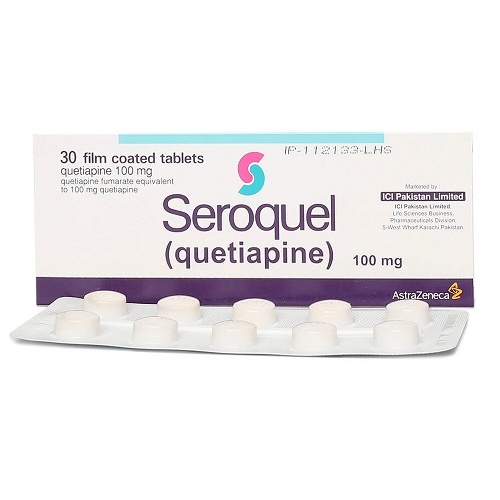
| Brand Name | Seroquel |
|---|---|
| Main Component | Quetiapine |
| Indicated Use | Treatment of mental health conditions such as schizophrenia, bipolar disorder, and major depressive disorder |
| Strength Variations | Available in 25 mg, 50 mg, 100 mg, 200 mg, 300 mg, and 400 mg tablets |
| Initial Response Time | Some effects may be noticed within days; full benefit can take several weeks |
| Duration Per Dose | 12–24 hours depending on formulation (immediate or extended release) |
| Dosing Schedule | Typically once or twice daily, as directed by a healthcare provider |
| Prescription Status in U.S. | Requires prescription from a licensed provider |
| Typical Cost Range | Approximately $15–$250 per 30-tablet bottle, depending on dose and brand/generic |
Seroquel: Guidance and Practical Information for United States
Seroquel, whose active ingredient is Quetiapine, is a prescription medication widely used to manage several mental health conditions. Approved and regulated by the U.S. Food and Drug Administration (FDA), Seroquel is legally available across the United States through licensed healthcare providers and pharmacies. It is recognized as an option for those seeking treatment for disorders such as schizophrenia, bipolar disorder, and as an add-on for depression.
Understanding the Scope: Mental Health Conditions Are Real and Treatable
Mental health challenges such as schizophrenia, bipolar disorder, and depressive disorders are among the leading causes of disability in the United States. According to the National Institute of Mental Health (NIMH), 2022, nearly one in five U.S. adults lives with a mental illness, and conditions like bipolar disorder affect approximately 2.8% of the adult population annually. Schizophrenia, while less common, impacts nearly 1.5 million Americans, according to the Schizophrenia and Related Disorders Alliance of America, 2021. These conditions are not a reflection of personal weakness—they are medical issues that arise from changes in brain chemistry, genetics, and life circumstances. Importantly, there are effective treatments, and you are not alone in facing these challenges.
How Seroquel Alters Brain Chemistry to Relieve Symptoms
Seroquel works by adjusting the activity of specific neurotransmitters—mainly dopamine and serotonin—in the brain. Neurotransmitters act as messengers, and their balance influences mood, perception, and thinking. In conditions like schizophrenia and bipolar disorder, these signals can become irregular, leading to symptoms such as hallucinations, mood swings, or severe depression.
- Dopamine blockade: Seroquel partially blocks dopamine D2 receptors, which helps reduce symptoms like hallucinations, delusions, and disorganized thinking.
- Serotonin modulation: By also influencing serotonin 5-HT2 receptors, Seroquel helps stabilize mood and supports improvement in depressive symptoms.
- Practical result: For the person taking Seroquel, this often means fewer mood swings, less severe psychotic symptoms, and a more stable mental state. Some effects, such as reduced agitation, may be noticed within a few days; improvements in mood or thinking may develop over several weeks of continuous use.
Is Seroquel Right for You? Recognizable Scenarios
| If your situation is… | Recommended approach | Why this fits (or doesn’t) |
|---|---|---|
| You have a confirmed diagnosis of schizophrenia or bipolar disorder and have struggled with other antipsychotics due to side effects like movement disorders. | Seroquel may be suitable. | It tends to cause fewer movement-related side effects (extrapyramidal symptoms) than many older antipsychotics, making it a preferred option in such cases. |
| You experience depression that has not responded fully to standard antidepressants and your provider suggests an add-on medication. | Seroquel adjunct therapy can be considered. | When used as an adjunct, Seroquel can enhance the effect of antidepressants, especially in major depressive disorder with partial response to first-line treatments. |
| You have a history of severe diabetes or significant heart rhythm problems (arrhythmias). | Seroquel may NOT be the best choice. | Seroquel can affect blood sugar and heart rhythm, so another treatment may be safer. Always discuss your complete medical history with your provider. |
| You are seeking medication for mild sleep problems without other major mental health diagnoses. | Alternative options should be considered. | While Seroquel can cause drowsiness, it is not approved or recommended solely for insomnia due to risk of side effects and lack of evidence at low doses for sleep alone. |
These scenarios are not comprehensive. If your situation does not match the above, a provider’s assessment ensures safe and effective treatment tailored to you.
Daily Life with Seroquel: Use, Adjustments, and Unexpected Situations
- Taking Seroquel: Seroquel should be taken exactly as prescribed, usually once or twice daily, with or without food (unless your provider gives specific instructions). Extended-release tablets should not be crushed or chewed.
- If you miss a dose: Take it as soon as you remember unless it’s close to your next scheduled dose; do not double up to make up for a missed dose.
- If it seems ineffective: It may take several weeks to see full effects. Report persistent symptoms to your provider—dose adjustment or an alternative may be needed.
- Side effects: Initial drowsiness, dry mouth, or dizziness may resolve as your body adjusts. Staying hydrated and rising slowly from sitting can help reduce dizziness.
- Alcohol and other substances: Avoid alcohol, as it can intensify drowsiness and other side effects. Let your prescriber know about all other medications, supplements, or substances you use.
- Stopping Seroquel: Do not stop suddenly unless directed by a healthcare professional. Abrupt discontinuation can cause withdrawal symptoms or return of original condition.
- Travel and routines: Carry your medication in its original container. If crossing time zones, seek advice to adjust timing for best effect.
Who Should Not Use Seroquel? Understanding Contraindications
- History of allergic reaction to Quetiapine: Because serious skin rashes, swelling, or difficulty breathing can occur, Seroquel must be avoided if you have ever had an allergic reaction to it.
- Severe uncontrolled cardiovascular disorders: Seroquel may prolong the QT interval (a measure of heart rhythm), increasing risk of dangerous heart arrhythmias in susceptible individuals.
- Recent stroke or dementia-related psychosis in elderly patients: There is an increased risk of death in elderly patients with dementia-related psychosis using antipsychotic medications, including Seroquel.
- History of neuroleptic malignant syndrome: Previous experience of this rare but life-threatening reaction is a reason to avoid Seroquel and similar medications.
- Uncontrolled diabetes: Because Seroquel can increase blood sugar, uncontrolled diabetes may worsen.
These are not all the potential reasons to avoid Seroquel. Review your full medical history with your healthcare provider before starting.
What Side Effects Might Occur?
- Very common (may affect more than 1 in 10): Drowsiness, dry mouth, dizziness, weight gain.
- Common (may affect up to 1 in 10): Constipation, upset stomach, increased appetite, low blood pressure when standing.
- Occasional but potentially serious: Unusual muscle movements, rapid heartbeat, high blood sugar, severe allergic reactions (rash, swelling, breathing difficulty).
- Rare but urgent: Severe muscle stiffness, confusion, high fever (signs of neuroleptic malignant syndrome), seizures.
If you experience sudden chest pain, severe shortness of breath, swelling of face/tongue, or loss of consciousness, call emergency services immediately. In the United States, dial 911 for urgent medical help. For overdose, contact the American Association of Poison Control Centers at 1-800-222-1222.
Interactions: What Should You Not Combine with Seroquel?
- Other medications affecting heart rhythm: Combining Seroquel with certain antibiotics (like erythromycin), antifungals, or other antipsychotics may increase risk of heart rhythm disturbances.
- Strong CYP3A4 inhibitors: Drugs such as ketoconazole can raise Seroquel levels in the body, leading to increased side effects.
- Alcohol and sedatives: Using Seroquel together with alcohol, sleeping pills, or opioids can excessively depress the central nervous system, increasing risk of drowsiness or even respiratory depression.
- Diabetes medications: Seroquel may interfere with glucose control, necessitating closer monitoring of blood sugar.
Before starting Seroquel, provide your prescriber with a complete list of your medications, over-the-counter products, supplements, and herbal remedies. This allows for safer choices and avoidance of harmful interactions.
How Does Seroquel Compare with Other Medications?
When choosing an antipsychotic or mood stabilizer, several options exist—each with their own strengths and limitations. Seroquel stands out for its lower risk of movement-related side effects compared to older antipsychotics (such as haloperidol). It is also prescribed as an adjunct in depression, a role not all antipsychotics fill. However, it is more likely to cause sedation and weight gain than some newer agents like aripiprazole. For individuals with significant metabolic concerns, aripiprazole or ziprasidone may be considered, though these can have other limitations. If insomnia is a prominent issue, Seroquel’s sedative properties can be helpful, but for sleep alone, safer non-antipsychotic options are generally preferred. Ultimately, the “best” medication depends on your unique symptom profile, side effect sensitivities, and medical history.
Purchasing Seroquel in the United States: Costs and Logistics
Seroquel is dispensed by prescription only in the U.S. Generic quetiapine is widely available, which can significantly decrease cost. Some may find price variation between retail pharmacies, mail-order, and online options. Importantly, while U.S. law requires a valid prescription, some online sources do not enforce this—proceed cautiously, as quality and legality can be uncertain through unregulated sources. Telemedicine services can provide a legitimate prescription following a virtual appointment.
| Cost item | Amount | Note |
|---|---|---|
| Doctor consultation (in-person or telemedicine) | $80–$300 | One-time or annual, varies by provider and insurance |
| Prescription fee | $0–$25 | Some providers or online platforms charge a separate fee |
| Seroquel (generic quetiapine), 30 tablets | $15–$60 | Depends on strength and whether generic or brand |
| Brand Seroquel, 30 tablets | $120–$250 | Higher cost for branded medication |
| Delivery (standard shipping) | $0–$15 | Some online pharmacies offer free shipping, others charge |
| Total (first month) | $95–$590 | Initial consultation, prescription, medication, delivery |
| Total (subsequent months, medication only) | $15–$250 | Ongoing cost, depending on brand/generic choice |
These amounts are typical but can vary based on insurance coverage or pharmacy choice. Many states have patient assistance programs or manufacturer discounts for those without insurance. Always use licensed U.S. pharmacies to ensure medication authenticity and legal compliance.
What If My Insurance Does Not Cover Seroquel?
Many insurance plans, including Medicaid and Medicare, cover generic quetiapine, though copays and prior authorization may apply. If your plan does not cover Seroquel, ask your provider if an alternative is appropriate or if generic substitution is possible. Pharmacy discount cards and patient assistance programs may also reduce the out-of-pocket cost. For those paying in cash, generic versions are generally much less expensive than brand-name Seroquel.
Where This Information Comes From

Recent Posts

January 6, 2025
-
October 24, 2024
-
January 4, 2023