- Home/
- Buy Doxycycline in Online Pharmacy for United States Customers
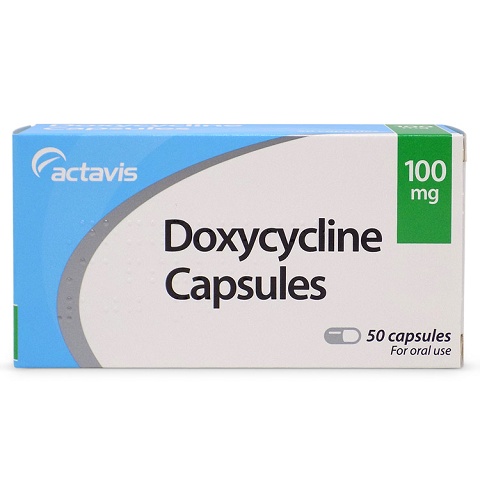
Is Doxycycline Available Without a Prescription in United States?
No, Doxycycline is a prescription-only medication in the United States. It cannot be legally obtained without a valid prescription from a licensed healthcare provider. Over-the-counter sales are prohibited by the U.S. Food and Drug Administration (FDA).
Key Takeaways: What You Need to Know About Doxycycline in United States
- Doxycycline is most suitable for bacterial infections where sensitivity is confirmed or strongly suspected.
- A valid prescription from a licensed U.S. healthcare provider is required.
- Commonly prescribed for respiratory, urinary tract, skin, and tick-borne infections, as well as acne and malaria prevention.
- Most patients begin to notice improvement within 2–3 days of starting therapy—provided the infection is susceptible.
- Photosensitivity (increased risk of sunburn) and stomach upset are the most important safety considerations for most users.
- Seek prompt medical advice if you develop severe allergic reactions, persistent diarrhea, or vision changes.
What Is Doxycycline and How Does It Work Mechanistically?
Doxycycline is a broad-spectrum tetracycline-class antibiotic. Its mechanism of action involves binding reversibly to the 30S ribosomal subunit of susceptible bacteria. By doing so, it inhibits the addition of amino acids to growing peptide chains, effectively preventing bacterial protein synthesis (FDA, PubMed).
More specifically, doxycycline interferes with the binding of transfer RNA (tRNA) to the messenger RNA (mRNA)-ribosome complex. This results in bacteriostatic activity—meaning it halts the growth and replication of bacteria rather than killing them outright. Doxycycline is effective against a wide range of Gram-positive and Gram-negative bacteria, as well as atypical organisms like Chlamydia, Mycoplasma, and Rickettsia.
In plain language: Doxycycline acts like a “do not assemble” sign for bacteria, blocking them from making the proteins they need to grow and multiply. Its success depends on the bacteria being sensitive to doxycycline—resistant strains will not respond.
Expert Insights: Why Patients May Overestimate How Quickly Doxycycline Works
Heading: Many Patients Expect Immediate Results from Doxycycline—Here’s Why That’s Not Realistic
In my practice, I often see patients expecting to feel dramatically better within hours of starting doxycycline. While some improvement is possible within 48–72 hours, the majority of bacterial infections require several days for symptoms to noticeably subside. It’s important to remember that reducing bacterial load and resolving inflammation takes time—even when the antibiotic is working. Moreover, patients sometimes mistake persistent fatigue or cough as a sign the drug isn’t effective, when in fact, healing is still underway. I wish more patients would ask not just, “Is this working?” but “How can I monitor my improvement, and when should I be concerned?” Real-world recovery can be gradual, and premature judgment may lead to unnecessary changes in therapy or anxiety.
How Should Doxycycline Be Taken? Dosage, Timing, and Duration for Different Conditions
Dosing and duration vary based on the infection being treated. The standard adult dose is 100 mg once or twice daily, but for some conditions (such as malaria prophylaxis or acne), a lower dose or different regimen may be used. Dosage must always be determined by a physician based on infection type, body weight, kidney and liver function, and other factors.
- Most common infections (e.g., respiratory, urinary, skin): 100 mg every 12 hours on day 1, then 100 mg once daily (or in divided doses) for 7–14 days.
- Acne: 50–100 mg daily for several weeks to months, as determined by your dermatologist.
- Malaria prevention: 100 mg once daily starting 1–2 days before travel, continued throughout exposure and for 4 weeks after leaving the endemic area.
Maximum recommended adult dose: 200 mg per day. Exceeding this increases the risk of severe side effects, including liver toxicity.
Doxycycline tablets and capsules should be swallowed whole with a full glass of water while in an upright position. Do not split or crush enteric-coated or delayed-release formulations unless specifically advised by your physician or pharmacist.
Peak blood levels: Achieved within 1.5–4 hours of oral administration. The drug’s effects begin as soon as sufficient plasma levels are reached, though symptom improvement may take longer.
Duration of effect: The half-life (T1/2) of doxycycline is about 18–22 hours in healthy adults, allowing for once or twice daily dosing (Mayo Clinic).
Note: Always complete the prescribed course—even if you feel better—unless directed otherwise by your healthcare provider.
How Does Food, Alcohol, and Daily Habits Impact Doxycycline Absorption and Safety?
- Food: Doxycycline may be taken with or without food. While food can slightly delay absorption, it significantly reduces stomach upset—a common side effect. However, dairy products (milk, cheese, yogurt) and calcium-rich foods can reduce absorption by binding to doxycycline in the gut.
- Alcohol: Moderate alcohol intake does not significantly affect doxycycline metabolism in most patients. Chronic heavy drinking, however, can increase the rate at which the drug is broken down, potentially reducing its effectiveness. When in doubt, ask your physician—especially if you drink regularly.
- Grapefruit juice: No clinically relevant interaction has been documented, unlike with several other antibiotics.
- Supplements and antacids: Products containing calcium, magnesium, iron, zinc, or aluminum (such as multivitamins, antacids, or some laxatives) can bind doxycycline and block absorption. Take these at least 2 hours before or after doxycycline.
- Sun exposure: Doxycycline increases sensitivity to sunlight—use strict sun protection during treatment.
| Product | Can Be Combined? | Consequences |
|---|---|---|
| Dairy (milk, cheese, yogurt) | No | Decreased absorption |
| Alcohol (moderate) | Yes (with caution) | No major interaction, but may worsen side effects |
| Calcium/magnesium supplements | No | Decreased absorption |
| Oral contraceptives | Yes (monitor) | Rarely, may reduce effectiveness—use backup contraception |
| Grapefruit juice | Yes | No known interaction |
Are There Any Absolute or Relative Contraindications to Doxycycline Use?
Absolute contraindications (never use):
- Known allergy to doxycycline or other tetracyclines (risk of severe allergic reactions, including anaphylaxis).
- Children under age 8 (risk of permanent tooth discoloration and enamel hypoplasia).
- Pregnant women in the second and third trimester (risk of fetal bone and tooth development abnormalities).
Relative contraindications (use with caution under strict medical supervision):
- Breastfeeding mothers (doxycycline passes into breast milk and may affect infant bone growth).
- Patients with severe liver impairment (doxycycline is processed in the liver, and accumulation may occur).
- Patients with myasthenia gravis (may worsen muscle weakness).
- History of intracranial hypertension (“pseudotumor cerebri”).
Drug interactions requiring special caution:
- Concurrent use with retinoids (e.g., isotretinoin): increased risk of intracranial hypertension.
- Concurrent use with anticoagulants (e.g., warfarin): increased risk of bleeding—INR monitoring advised.
For patients with a recent heart attack or severe illness, doxycycline may be considered after physician assessment if clearly needed, but close monitoring is essential. Always discuss your full medical history with your prescribing provider.
What Side Effects Should I Expect with Doxycycline?
Very common (>10%)
- Gastrointestinal upset (nausea, diarrhea, abdominal pain) – due to irritation of the stomach and alteration of normal gut flora.
- Photosensitivity (sunburn, rash on sun-exposed skin).
Common (1–10%)
- Headache
- Loss of appetite
- Vaginal yeast infections (in women)
Rare (0.01–1%)
- Severe allergic reactions (hives, facial swelling, difficulty breathing)
- Esophageal ulceration (if tablet/capsule gets stuck)
- Liver inflammation (hepatitis)
- Blood abnormalities (low white blood cells or platelets)
Very rare (<0.01%)
- Pseudotumor cerebri (increased pressure in the brain, causing headache and vision changes)
- Severe skin reactions (Stevens-Johnson syndrome)
If you experience difficulty breathing, swelling of the face/throat, severe headache with vision changes, or a widespread rash, stop taking doxycycline and seek emergency care immediately. For mild side effects such as nausea or mild rash, contact your physician for guidance.
Patient Pitfalls: Common Mistakes That Undermine Doxycycline Treatment
- Stopping treatment early once symptoms improve: This often leads to incomplete bacterial eradication and potential relapse or resistance. Always finish the full prescribed course.
- Taking doxycycline with milk, calcium-rich foods, or supplements: This blocks drug absorption, making treatment less effective. Wait at least 2 hours before or after these products.
- Lying down immediately after taking: Increases risk of esophageal irritation or ulcers. Remain upright for at least 30 minutes after dosing.
- Ignoring sun protection: Even brief sun exposure can result in severe sunburn. Use broad-spectrum sunscreen and wear protective clothing.
- Doubling up on missed doses: This can increase side effects without improving efficacy. If you miss a dose, take it as soon as you remember—unless it’s almost time for the next dose.
- Not informing your doctor about all medications: Over-the-counter antacids or mineral supplements can reduce effectiveness if taken too close to doxycycline.
To avoid these errors, follow your healthcare provider’s instructions precisely and ask questions if anything is unclear.
How Does Doxycycline Compare to Other Antibiotics? Cost, Speed, and Side Effects
| Antibiotic | Typical Indications | Onset of Effect | Duration of Course | Common Side Effects | Estimated Price (per 100mg tab/cap, USD) |
|---|---|---|---|---|---|
| Doxycycline | Respiratory, skin, tick-borne, acne, malaria prevention | 24–48 hours | 7–14 days | GI upset, sun sensitivity | $0.40–$2.00 (generic); $6–$8 (brand) |
| Amoxicillin | Respiratory, ear, urinary, dental infections | 24–48 hours | 7–10 days | GI upset, rash, allergy | $0.10–$0.50 (generic); $3–$5 (brand) |
| Azithromycin | Respiratory, chlamydia, skin, certain STDs | 24–48 hours | 3–5 days | GI upset, QT prolongation | $1.00–$4.00 (generic); $10–$12 (brand) |
- Doxycycline is particularly favored where atypical pathogens are suspected or where sun exposure can be managed. Its cost is low for generics but higher for brands.
- Amoxicillin is less likely to induce sun sensitivity and is usually less expensive, but is ineffective against certain bacteria that doxycycline covers.
- Azithromycin offers a shorter course but may be more expensive and carries cardiac considerations in some patients.
Technical Reference Table: Key Characteristics of Doxycycline
| Parameter | Value |
|---|---|
| Available strengths | 50 mg, 75 mg, 100 mg, delayed-release 150 mg |
| Formulations | Tablet, capsule, oral suspension, injectable (hospital use) |
| Usual adult dose | 100 mg every 12–24 hours |
| Half-life (T1/2) | 18–22 hours |
| Metabolism | Primarily hepatic (liver) |
| Excretion | Biliary (feces) and renal (urine) |
| Storage | Room temperature (68–77°F/20–25°C), dry place |
| Prescription required in US | Yes |
Step-by-Step: How to Get Doxycycline Legally in United States
- Schedule a medical consultation with a licensed healthcare provider (MD, DO, NP, or PA) in person or via a telemedicine platform.
- Undergo an assessment: Your provider will take your history, review symptoms, and (if needed) order diagnostic tests to confirm bacterial infection and doxycycline sensitivity.
- Get a prescription: If appropriate, your provider writes a prescription, specifying the dose, duration, and any special instructions.
- Fill your prescription at a licensed U.S. pharmacy—retail, hospital, or legitimate online pharmacy. Bring your ID and insurance card if applicable.
- Follow all usage instructions provided by your pharmacist and prescriber; ask questions if you have concerns about interactions, timing, or side effects.
Note: Insurance coverage for doxycycline is typically good for generic versions; brand names may involve higher copays.
Doctor Q&A: What Patients Most Often Ask About Doxycycline Therapy
- How quickly should I expect to feel better after starting doxycycline?
- Most patients begin to notice symptom improvement within 2–3 days, but this can vary by infection type and severity. Some conditions, such as acne, require several weeks before a visible effect is seen. If you feel worse or see no change after 72 hours, contact your doctor.
- Is it safe to take doxycycline if I have chronic liver or kidney disease?
- Doxycycline is primarily processed by the liver and partially eliminated by the kidneys. Dose adjustments may be needed for severe liver disease, but in mild to moderate kidney impairment, no change is usually necessary. Always discuss your full medical history with your provider.
- Can doxycycline affect my birth control pills?
- While the overall risk is low, some reports suggest that tetracyclines can reduce the effectiveness of hormonal contraceptives. It’s recommended to use backup contraception during treatment and for a few days after, especially if you experience vomiting or diarrhea.
- What should I do if I vomit shortly after taking doxycycline?
- If vomiting occurs within 30 minutes of a dose, you may not have absorbed enough for it to be effective. Contact your physician for instructions—they may recommend repeating the dose or adjusting your schedule.
- Is there a risk of developing antibiotic resistance if I use doxycycline?
- Yes, if the course is not completed as prescribed or if doxycycline is used unnecessarily, bacteria can become resistant. Always follow your doctor’s instructions and avoid using leftover antibiotics for new illnesses.
- How do I know if I am allergic to doxycycline?
- Allergic reactions usually present with rash, hives, swelling, or difficulty breathing. If you experience these symptoms, stop the medication and seek medical attention immediately. Prior allergic reactions to any tetracycline-class antibiotic suggest you should not take doxycycline.
Pharmacokinetics: How Doxycycline Is Processed in the Body
Absorption: Doxycycline is well absorbed orally (95–100%), with peak levels at 1.5–4 hours. Food delays absorption but does not substantially reduce it, while dairy and mineral supplements may impair it.
Metabolism: Primarily metabolized in the liver, with a significant proportion excreted unchanged in bile and some via urine.
Elimination half-life: 18–22 hours in healthy adults; may be shorter in children and longer in those with severe liver impairment.
Implications: Once or twice daily dosing is usually sufficient, and accumulation is unlikely except in severe liver disease.
Safety Considerations for Special Patient Groups
- Pediatrics: Doxycycline is not recommended for children under 8 due to risk of tooth discoloration and bone effects.
- Pregnancy and breastfeeding: Contraindicated in the second and third trimester of pregnancy; use during lactation is generally avoided unless no safer alternative exists.
- Elderly: Dose adjustment is not usually necessary but consider comorbidities and polypharmacy.
- Renal impairment: Can be used without dose adjustment in mild to moderate cases.
- Hepatic impairment: Use with caution and monitor closely.
- Ability to drive or operate machinery: Doxycycline does not typically impair cognitive or motor function, but dizziness or headache may occur in rare cases. Use caution if you experience these symptoms.
- Fertility: No evidence suggests doxycycline impairs fertility in humans at therapeutic doses.
Original vs. Generic Doxycycline: Are There Real Differences?
Original (brand) doxycycline and generics contain the same active ingredient but may differ in inactive ingredients (excipients), tablet coatings, or packaging. Both must meet strict FDA bioequivalence standards, meaning the body absorbs the drug at the same rate and extent (within defined margins).
Advantages of generics:
- Significantly lower cost
- Wider availability
- Insured coverage almost always applies
Generics are equally effective and safe for nearly all patients, but rare allergies to specific excipients can occur. If you have a history of drug allergies, inform your pharmacist to check ingredient lists.
How Can I Spot Fakes? Doxycycline Counterfeit and Quality Assurance in United States
Original U.S.-approved doxycycline:
- Comes in sealed, tamper-evident blister packs or bottles with clear expiry date, lot number, and manufacturer’s information.
- Tablet or capsule shape, color, and imprint code match the description in official pharmacy databases.
- Most legitimate products include a QR code or holographic sticker for verification.
- Always matches the labeling requirements set by the FDA for prescription products.
Warning signs of counterfeit doxycycline:
- Unusually low price or unofficial discounts
- Packaging with grammatical/spelling errors or blurry print
- No batch or lot number
- No U.S. pharmacy label or missing FDA approval marks
- Product shape or imprint does not match official images
If in doubt, verify the product using the manufacturer’s website or the FDA’s drug database. When possible, purchase only from licensed U.S. pharmacies or those accredited by the National Association of Boards of Pharmacy (NABP).
How to Identify Safe and Legitimate Online Pharmacies in United States
Do not trust any online seller offering doxycycline “without prescription” or “no questions asked.” U.S. law requires a valid prescription, and legitimate pharmacies will request one. Safe online pharmacies:
- Display active licensure with their state Board of Pharmacy
- Are listed or accredited by NABP (look for the “.pharmacy” seal)
- Require a prescription for all antibiotics
- Provide a physical U.S. address and working pharmacist contact
- Use secure payment systems and protect your health data
Unregulated or fraudulent websites may supply counterfeit medications, incorrect dosages, or drugs contaminated with harmful substances. If uncertain, check with your state board or visit the NABP for verification.
What Should I Do if Doxycycline Does Not Seem to Work?
- Do not stop the medication without consulting your physician. Many bacterial infections require several days to improve.
- If symptoms worsen or you develop new symptoms (persistent fever, rash, difficulty breathing), contact your healthcare provider immediately.
- Possible reasons for lack of effect include incorrect diagnosis (viral, not bacterial infection), bacterial resistance, inadequate dose or duration, or poor absorption due to food or supplements.
- Your provider may need to reassess your diagnosis, run additional tests, or switch to a different antibiotic.
Overdose: What If I Accidentally Take Too Much Doxycycline?
- Stop taking doxycycline immediately.
- Call a U.S. emergency number (911) or your local poison control center (1-800-222-1222) for immediate guidance.
- Provide information on the exact amount taken, time of ingestion, and any symptoms.
- Do not attempt to induce vomiting unless instructed by a medical professional.
- Bring the medication packaging with you if going to the ER.
Symptoms of overdose may include severe nausea, vomiting, diarrhea, rapid heartbeat, confusion, or liver toxicity. Prompt action improves outcomes.
Quality Check: How Should Genuine Doxycycline Look in United States?
- Tablets and capsules: Typically yellow, orange, or light brown; may be round or capsule-shaped, with a unique imprint code (verify with your pharmacist or the FDA database).
- Packaging: Sealed bottles or blister packs with lot number, expiration date, manufacturer, and pharmacy label.
- Official verification elements: QR codes, holograms, or tamper-evidence, depending on manufacturer.
- If you notice anything unusual, contact your pharmacist for verification before using the product.
Myth vs Reality: Doxycycline Use and Effectiveness
- Myth: “Doxycycline works instantly, so if I don’t feel better in a few hours, it’s not effective.”
- Reality: Most infections require several days for symptoms to improve, even when doxycycline is working optimally.
- Myth: “It’s safe to stop taking the drug as soon as I feel better.”
- Reality: Stopping early leads to relapse and increases antibiotic resistance.
Empathy and Support: You’re Not Alone in Facing Infection
Bacterial infections, acne, and tick-borne diseases are common and manageable conditions. Many people feel anxious or frustrated by slow recovery or the need for antibiotics. If you have concerns about your treatment, it’s normal—discuss them openly with your healthcare provider or pharmacist. Some infections can have psychological components; sharing your experience with trusted people or professionals can make a real difference.
Clinical Assessment by doctor: My Independent View on Doxycycline Use
Based on my clinical experience, doxycycline remains a valuable first-line agent for a wide range of bacterial infections, especially when atypical or tick-borne pathogens are suspected, or in patients with penicillin allergies. It’s particularly effective for conditions like Lyme disease, Rocky Mountain spotted fever, and as part of acne management. However, I am cautious in prescribing it to children under eight, pregnant women (especially in the second and third trimesters), and those with significant liver impairment, as safer alternatives usually exist.
For most adults and teenagers, generic doxycycline offers a cost-effective, highly effective treatment option when used as directed. I am careful to assess for potential drug interactions and reinforce the importance of sun protection and full course completion. If patients do not respond after several days, I consider alternative diagnoses or resistance and reassess the treatment plan. In sum, doxycycline is best used with targeted clinical judgment—when well-matched to the infection and patient, it delivers reliable results with a favorable safety profile.
Frequently Asked Questions About Doxycycline in United States
- Do I need a prescription for doxycycline in the U.S.?
- Yes, doxycycline is only available with a valid prescription from a licensed healthcare provider in the United States.
- How long does it take for doxycycline to work?
- For most infections, improvement is seen within 2–3 days. Acne and some chronic conditions may require several weeks.
- What are the most common side effects?
- Stomach upset, nausea, diarrhea, and increased sensitivity to sunlight (sunburn risk) are the most common side effects.
- Can I take doxycycline with food?
- Yes, to reduce stomach upset, but avoid taking it with dairy products or calcium-containing foods, which reduce absorption.
- Is it safe to use doxycycline during pregnancy or breastfeeding?
- No, it is not recommended during pregnancy (especially after the first trimester) or during breastfeeding due to risks to the baby’s teeth and bones.
- Is there a generic version of doxycycline?
- Yes, generic doxycycline is widely available in the U.S. at a much lower cost than brand-name products and is equally effective for most people.
- What if I miss a dose?
- Take it as soon as you remember unless it’s almost time for your next dose. Do not double up doses.
- How much does doxycycline cost?
- Prices vary. Generic doxycycline typically costs between $0.40 and $2.00 per 100mg tablet; brand products are more expensive.
- Can I buy doxycycline online?
- Only from licensed U.S. pharmacies with a valid prescription. Avoid any site that offers prescription antibiotics without proper medical evaluation, as it’s illegal and potentially dangerous.
- How long should I continue doxycycline?
- Continue for the full duration prescribed by your doctor, even if you feel better. Stopping early increases the risk of relapse and resistance.
References
- U.S. Food and Drug Administration (FDA). https://www.fda.gov/ (accessed June 2026).
- Centers for Disease Control and Prevention (CDC). https://www.cdc.gov/
- Mayo Clinic. Doxycycline (Oral Route) Description and Brand Names. Mayo Clinic Doxycycline
- National Institutes of Health, MedlinePlus. MedlinePlus Doxycycline
- National Association of Boards of Pharmacy (NABP). https://nabp.pharmacy/
- PubMed. Doxycycline pharmacology and clinical studies. https://pubmed.ncbi.nlm.nih.gov/

Recent Posts

January 6, 2025
-
October 24, 2024
-
January 4, 2023