- Home/
- Buy Glucophage Without Prescription in the United States Online
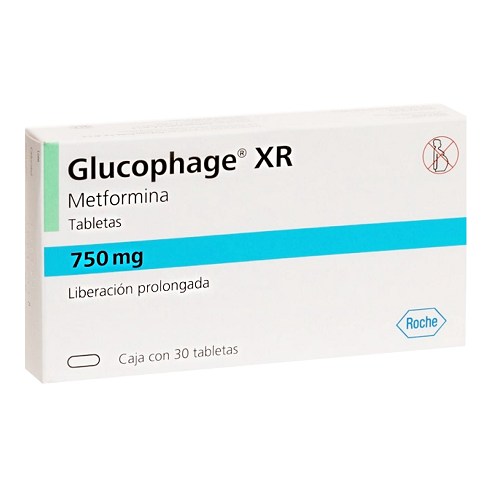
Is Glucophage (Metformin) Available Without a Prescription in the United States?
No, Glucophage (metformin) is a prescription-only medication in the United States. It cannot be legally obtained from a pharmacy or online pharmacy without a valid prescription from a licensed healthcare provider.
Key Takeaways
- Glucophage is best suited for adults with Type 2 Diabetes, especially those with insulin resistance and overweight or obesity.
- A prescription is required to obtain Glucophage in the United States—self-medicating is not advised.
- The medication typically begins to lower blood sugar levels within a few days, but full effects may take up to two weeks.
- Gastrointestinal side effects are common at the start, but often improve with gradual dose increases and taking the medicine with food.
- Glucophage does not replace the need for lifestyle changes—healthy eating and physical activity remain essential.
- Contact your healthcare provider immediately if you experience shortness of breath, muscle pain, or severe abdominal discomfort while taking Glucophage.
How Does Glucophage (Metformin) Work? The Science Behind Blood Sugar Control
Glucophage’s active ingredient, metformin hydrochloride, is classified as a biguanide antihyperglycemic agent. Its primary effect is reducing hepatic (liver) glucose production by inhibiting the mitochondrial respiratory-chain complex I—this process lowers the amount of glucose released into the bloodstream. Metformin also increases insulin sensitivity in muscle cells, enabling more effective glucose uptake from the blood, and delays intestinal absorption of sugars (FDA, PubMed).
On a cellular level, metformin activates AMP-activated protein kinase (AMPK), which acts as a master regulator of cellular energy. By activating AMPK, metformin shifts metabolism away from glucose production toward energy use. This is why it rarely causes hypoglycemia when used alone.
Metaphor for patients: Imagine your liver is a sugar factory that’s always running. Glucophage tells the factory to slow down, while also making your muscles better at using the sugar that’s already there, and partially blocks new sugar from entering the bloodstream from your gut.
Managing Expectations: What Patients Often Overlook with Glucophage
As a diabetes specialist, I often find that patients expect Glucophage to lower their blood sugar almost immediately and with minimal effort. In reality, the improvements are gradual, especially with slow dose titration to minimize gastrointestinal side effects. Many patients don’t realize that metformin is unlikely to cause low blood sugar when taken alone, which means subtle changes in daily glucose readings may be missed. It’s also common for people to attribute early digestive discomfort to intolerance, when it often subsides or can be managed with dose adjustments. One area rarely discussed is how kidney function monitoring is crucial, as even mild renal impairment can affect safety. If you’re starting metformin, don’t hesitate to ask your provider about what lab tests are needed and how to recognize rare but serious complications like lactic acidosis.
How Should Glucophage Be Taken? Dosage Regimens, Timing, and Duration
Standard dosage for adults: The usual starting dose is 500 mg once or twice daily with meals to reduce gastrointestinal side effects. The dose can be gradually increased, typically in 500 mg increments every 1–2 weeks, based on blood glucose response and tolerability. The maximum recommended daily dose is 2,000–2,500 mg (depending on the formulation and clinical scenario, but never exceed this without medical supervision).
- Immediate-release tablets: Usually taken 2–3 times daily with meals.
- Extended-release (ER or XR) tablets: Taken once daily, typically with the evening meal.
Peak effect: Glucophage generally reaches its maximum effect within 2–3 hours (immediate-release) or around 7 hours (extended-release). Full therapeutic impact on HbA1c (average blood sugar over 3 months) may take several weeks (Mayo Clinic).
Special groups: Careful dose selection is required in the elderly and those with reduced kidney function—dosing should be guided by estimated glomerular filtration rate (eGFR), and Glucophage is not recommended for patients with eGFR below 30 mL/min/1.73 m² due to risk of lactic acidosis.
Can the tablet be split? Immediate-release tablets may be split if scored, but extended-release tablets should not be crushed, chewed, or split.
Glucophage, Food, and Lifestyle—What Patients Need to Know
Take Glucophage with food to minimize gastrointestinal side effects such as nausea, diarrhea, and abdominal discomfort. Skipping meals or taking the medication on an empty stomach increases the risk of digestive problems.
- Fatty meals: No significant impact on absorption. However, a high-fat diet may worsen insulin resistance and reduce the effectiveness of therapy.
- Alcohol: Strictly limit or avoid. Even moderate drinking increases the risk of lactic acidosis, a rare but serious complication. For most adults, this means no more than 1 standard drink per day, and ideally none.
- Grapefruit juice: No clinically significant interaction with metformin.
Physical activity: Regular exercise enhances the effect of metformin but should be approached with caution if you are at risk for low blood sugar due to other medications.
Compatibility Check: Glucophage Interactions
| Product/Drug | Safe to Combine? | Potential Consequences |
|---|---|---|
| Alcohol | No | Increased risk of lactic acidosis |
| Insulin | Yes, with caution | Monitor for hypoglycemia |
| B12 Supplements | Yes | May prevent metformin-induced B12 deficiency |
| NSAIDs (e.g., ibuprofen) | Yes, with caution | Risk of kidney effects |
| Contrast Dye (for imaging) | STRICTLY NO | Temporary discontinuation required—risk of kidney injury/lactic acidosis |
| Grapefruit Juice | Yes | No clinically significant interaction |
Who Should Not Take Glucophage? Absolute and Relative Contraindications
- Absolute contraindications:
- Advanced chronic kidney disease (eGFR <30 mL/min/1.73 m²)
- Acute or chronic metabolic acidosis (including diabetic ketoacidosis or lactic acidosis)
- Severe liver dysfunction
- Known hypersensitivity to metformin or excipients
- Acute alcohol intoxication or alcoholism
- Relative contraindications (caution advised):
- Moderate renal impairment (eGFR 30–45 mL/min/1.73 m²): lower starting dose and close monitoring
- Heart failure with poor tissue perfusion or hypoxia
- History of lactic acidosis from any cause
- Patients undergoing intravascular contrast studies (stop metformin beforehand and only restart after renal function has been reassessed)
- Age >80 years unless normal renal function is confirmed
Glucophage can generally be resumed after an acute event (e.g., heart attack, major surgery) only when kidney function and tissue perfusion are stable.
What Side Effects are Most Common with Glucophage? Frequency and What to Watch For
- Very common (>1/10):
- Gastrointestinal disturbances: diarrhea, nausea, vomiting, abdominal pain, decreased appetite (FDA)
- Common (1/100–1/10):
- Metallic taste in mouth
- Mild weight loss (can be beneficial in many patients)
- Rare (1/10,000–1/1,000):
- Lactic acidosis (medical emergency; symptoms: malaise, muscle pain, difficulty breathing, slow heartbeat)
- Skin rash, redness, itching
- Vitamin B12 deficiency (with long-term use)
- Very rare:
- Liver dysfunction, hepatitis
- Severe allergic reactions (anaphylaxis)
What to do if you experience side effects:
- Mild stomach symptoms: Take medication with food and inform your provider if symptoms persist more than 2 weeks.
- Symptoms of lactic acidosis or severe allergic reaction: Seek emergency medical care immediately.
- Signs of vitamin B12 deficiency (e.g., fatigue, numbness, tingling): Discuss blood monitoring with your doctor.
Common Missteps That Undermine Glucophage Therapy
- Starting at a high dose to “speed up” results: This often leads to intolerable stomach upset and premature discontinuation. Always begin with the lowest recommended dose and titrate up under supervision.
- Stopping Glucophage as soon as blood sugars improve: Metformin’s benefits persist only with continued use. Stopping early usually results in blood sugar rising again.
- Taking the medication without food: This is a leading cause of nausea and diarrhea. Glucophage should be taken with meals unless advised otherwise.
- Not informing providers about kidney function changes or upcoming imaging with contrast dye: This oversight can increase the risk of lactic acidosis—a rare but life-threatening complication.
- Self-adjusting the dose based on home glucose readings: Dosage changes should only be made after consulting your healthcare provider.
- Disregarding new symptoms such as muscle aches and fatigue: These could indicate lactic acidosis or B12 deficiency and require prompt medical attention.
Comparing Glucophage to Other Type 2 Diabetes Medications: Alternatives, Cost, and Efficacy (U.S. Market)
Below is a practical comparison of Glucophage and two common alternatives in the U.S.: Januvia (sitagliptin) and Jardiance (empagliflozin). Prices reflect average retail prices for a 30-day supply as of early 2026 and are subject to change.
| Medication | Main Class | Onset Speed | Duration | Common Side Effects | Price (USD) | Prescription Required? |
|---|---|---|---|---|---|---|
| Glucophage (Metformin) | Biguanide | Within days; max effect by 2 weeks | 24 hours (once daily, extended-release) | GI upset, rare lactic acidosis | $10–40 (generic 500 mg, 30 tabs) | Yes |
| Januvia (Sitagliptin) | DPP-4 Inhibitor | Within days | 24 hours (once daily) | Upper respiratory symptoms, headache, joint pain | $500–570 (100 mg, 30 tabs) | Yes |
| Jardiance (Empagliflozin) | SGLT2 Inhibitor | Within days | 24 hours (once daily) | Genital infections, urinary tract infections, dehydration | $550–600 (25 mg, 30 tabs) | Yes |
Bottom line: Glucophage remains the most cost-effective first-line medication for most adults with Type 2 Diabetes in the U.S., with a well-established safety and efficacy profile. Newer agents offer benefits for specific patient groups (e.g., heart failure, kidney disease), but at a much higher cost.
Technical Reference Table: Glucophage Product Characteristics
| Active Ingredient | Metformin hydrochloride |
| Available strengths (U.S.) | 500 mg, 850 mg, 1000 mg; extended-release: 500 mg, 750 mg, 1000 mg |
| Formulations | Immediate-release tablet, extended-release tablet |
| Preservation | Store at room temperature (68–77°F / 20–25°C), protect from moisture |
| Packaging (U.S.) | Blister packs or prescription bottles, labeled with NDC number and patient details by pharmacy |
| Half-life (T1/2) | Approx. 6.2 hours (immediate-release), up to 17 hours (extended-release) |
| Metabolism | Not metabolized by the liver |
| Elimination | Excreted unchanged in the urine via kidneys |
Step-by-Step: How to Obtain Glucophage Safely and Legally in the United States
- Step 1: Schedule a healthcare provider appointment. This may be with your primary care physician, an endocrinologist, or via a telehealth service.
- Step 2: Undergo assessment for Type 2 Diabetes. Your provider will review your medical history, current medications, and conduct blood tests (such as fasting glucose and A1C).
- Step 3: Receive a prescription if Glucophage is indicated. The provider will determine if metformin is safe and appropriate, and explain the dosage.
- Step 4: Fill your prescription at a licensed U.S. pharmacy. This may be a local brick-and-mortar pharmacy or an accredited mail-order/online pharmacy.
- Step 5: Monitor for side effects and attend follow-up appointments. Your provider may order repeat bloodwork to check kidney function and blood sugar control.
Questions Patients Often Ask doctor About Glucophage Therapy
- How long does it take before Glucophage starts lowering my blood sugar?
- In most cases, patients notice lower blood glucose within a few days, but the full effect may not be seen until after two weeks of consistent use. Improvements in HbA1c, reflecting average blood sugar, may take several months.
- Will I need to take Glucophage for life?
- Many patients with Type 2 Diabetes need long-term therapy, but the duration depends on how well your diabetes is controlled and any changes in your health. Sometimes, with major lifestyle changes, the dose can be reduced or discontinued under medical supervision.
- Why do I have mild diarrhea or stomach upset when I start Glucophage?
- This is a common side effect, especially at the beginning or with rapid dose increases. It usually improves after the first week or two, particularly if you take the medicine with food and follow your doctor’s recommended titration schedule.
- What lab tests should I expect while on Glucophage?
- Your doctor will monitor kidney function (creatinine, eGFR) before starting and periodically during therapy. Vitamin B12 levels may be checked annually, and blood sugar metrics (fasting glucose, HbA1c) will be followed regularly.
- If I’m planning surgery or imaging with contrast dye, what should I do?
- Always inform your doctor ahead of time. You may need to temporarily stop Glucophage before and after the procedure to minimize the risk of kidney injury and lactic acidosis. Your care team will advise when it’s safe to restart.
- Does Glucophage interact with my other medications?
- Most commonly prescribed medicines can be safely combined with Glucophage, but certain drugs that affect kidney function or use contrast dye may pose risks. Always provide your doctor with a complete medication list.
- Can Glucophage help with weight loss?
- Modest weight loss is possible, especially in people who are overweight or obese, but Glucophage is not a dedicated weight loss medication. Lifestyle changes are still vital for significant weight reduction.
Pharmacokinetics Explained: How Glucophage Is Processed in the Body
After oral administration, metformin is absorbed in the small intestine. The bioavailability is 50–60%, meaning not all of the dose reaches the bloodstream. It is not metabolized by the liver (unlike many oral drugs), and is excreted unchanged by the kidneys into the urine. The half-life (T1/2) is approximately 6 hours (immediate-release) and up to 17 hours (extended-release). Because metformin is eliminated renally, kidney function must be monitored.
Implications for patients: Those with kidney impairment are at higher risk for drug accumulation and lactic acidosis. Regular monitoring is essential.
Special Considerations for Specific Patient Groups
- Older adults: More susceptible to kidney side effects; careful dose adjustment required.
- Children: Only immediate-release metformin is FDA-approved for ages 10 and up; extended-release is generally not used in pediatric patients.
- Pregnancy: Data is reassuring, but metformin is used in gestational diabetes only after weighing risks and benefits.
- Fertility: Evidence suggests metformin can improve ovulation in women with polycystic ovary syndrome (PCOS), but is not a fertility drug per se.
- Driving and machinery: Glucophage alone does not cause hypoglycemia or impair alertness. However, if combined with insulin or other agents, caution is advised.
How to Identify Legitimate Online Pharmacies and Avoid Unsafe Sellers in the U.S.
- Check for VIPPS Accreditation: Verified Internet Pharmacy Practice Sites (VIPPS) is regulated by the National Association of Boards of Pharmacy. Look for the VIPPS seal and cross-check on the NABP official list.
- Avoid websites that offer prescription medications without requiring a prescription: These are illegal and may sell counterfeit or unsafe drugs.
- Review the pharmacy’s licensure with your state Board of Pharmacy: Every online pharmacy shipping to the U.S. must be licensed in the state where you reside.
- Beware of suspiciously low prices, unbranded packaging, or lack of contact information: These are red flags for counterfeit or illegally imported drugs.
- All legitimate pharmacies in the U.S. require a valid prescription from a U.S.-licensed healthcare provider.
How to Recognize Counterfeit Glucophage and Understand Generic Substitutes
- Original Glucophage packaging: Manufactured by Merck (or authorized generics), U.S. Glucophage comes in blister packs or prescription bottles with the manufacturer’s logo, batch number, expiration date, and NDC code. Packaging should be intact, with clear, professionally printed labels.
- Tablet appearance: Typically white, round or oval, with dosage strength engraved.
- Verification features: Some U.S. packages include QR codes or barcodes for pharmacy verification. Holograms may appear on imported products but are less common in U.S. generics.
- Warning signs of counterfeiting: Misspelled labels, inconsistent tablet coloring, packaging not matching U.S. prescription norms, unusually low prices, or any medication offered without a prescription.
What are generics? Generic metformin (e.g., by Teva, Sandoz, Sun Pharma, and others) must meet FDA standards for bioequivalence and safety. The main difference is usually in inactive ingredients (excipients), which can infrequently cause allergic reactions, especially in people with known sensitivities.
Advantages of generics: Lower cost, broad insurance coverage, and identical clinical effect to the original Glucophage.
Quality Check: Authenticity Checklist for Glucophage in the U.S.
- Tablet should be white, round or oval, with clear imprint of dosage and manufacturer code.
- Packaging must have pharmacy or manufacturer labeling in English, with batch and expiration dates, and NDC code.
- No visible signs of tablet crumbling, discoloration, or foreign debris.
- Pharmacy label should match your prescription and include your name, prescriber, and dosage instructions.
- When in doubt, ask your pharmacist to confirm authenticity or contact the manufacturer via their official website.
What to Do If You Take Too Much Glucophage: Overdose Response in the U.S.
- Stop taking the medication immediately.
- Call 911 or emergency services without delay. Provide the name “metformin” and the amount taken.
- If possible, bring the medication packaging with you to the hospital.
- Do not try to induce vomiting or “wait and see”—lactic acidosis is a medical emergency.
Micro-Moment: Myth vs Reality
-
Myth: Glucophage alone will control my diabetes regardless of what I eat.
Reality: Dietary choices and exercise remain essential for optimal blood sugar control. -
Myth: If I feel fine, I don’t need lab monitoring while on metformin.
Reality: Kidney function and B12 levels can change silently; regular tests help prevent complications.
Psychological Support: Living with Type 2 Diabetes and Glucophage
Type 2 Diabetes is a common, manageable condition. Many people find the diagnosis overwhelming at first, but with informed choices—medication, healthy eating, physical activity—long-term control is achievable. If you’re struggling, consider talking to a diabetes educator, counselor, or support group. Discussing the condition openly with family or partners often helps reduce anxiety and improve treatment success.
Clinical Assessment by doctor: Who Benefits Most from Glucophage—And When to Consider Alternatives
In my clinical experience, Glucophage (metformin) is the foundational therapy for most adults newly diagnosed with Type 2 Diabetes, especially those with overweight, obesity, or features of insulin resistance. It’s typically suitable unless there is significant kidney or liver impairment, or a history of severe gastrointestinal intolerance. Patients who may not be ideal candidates include those with advanced renal dysfunction, chronic alcohol use, or history of lactic acidosis. In those with established cardiovascular disease, newer agents such as SGLT2 inhibitors or GLP-1 receptor agonists may offer additional protection and should be considered as add-ons or alternatives when appropriate. In older adults with frailty or fluctuating kidney function, lower starting doses and more frequent monitoring are necessary. Ultimately, the choice of therapy should be individual, based on risk factors, patient preferences, and coexisting health conditions. I reassess therapy regularly, especially if A1C goals are not met, there are significant side effects, or a patient’s health status changes.
Frequently Asked Questions About Glucophage (Metformin) in the United States
- Is Glucophage the same as metformin?
- Yes, Glucophage is the original brand name for metformin hydrochloride. Most prescriptions in the U.S. are now filled with FDA-approved generic metformin, which is equally effective and safe.
- Do I need a prescription for Glucophage in the United States?
- Yes. Glucophage (metformin) can only be dispensed with a valid prescription from a licensed healthcare provider in the U.S.
- What does Glucophage cost in the U.S.?
- Generic metformin typically costs $10–$40 for a 30-day supply, while the original Glucophage brand may cost more. Prices may vary by pharmacy, insurance, and dosage.
- Can I buy Glucophage online?
- You can fill your prescription through a licensed online pharmacy in the U.S. Always verify the pharmacy’s credentials and avoid any site offering Glucophage without a prescription.
- How long should I take Glucophage?
- Duration varies—many people use metformin for several years, sometimes for life, depending on blood sugar control and doctor’s advice.
- What are the most common side effects?
- The most frequent side effects are gastrointestinal, including diarrhea, nausea, and abdominal pain. These usually lessen over time or with dose adjustments.
- Is it safe to drink alcohol while taking Glucophage?
- It is strongly recommended to limit or avoid alcohol, as it can increase the risk of lactic acidosis, a rare but dangerous complication.
- Can I take Glucophage if I have kidney problems?
- Metformin is not recommended for patients with severe kidney impairment (eGFR below 30 mL/min/1.73 m²). For moderate impairment, your doctor may adjust the dose and monitor kidney function closely.
- Does Glucophage interact with other diabetes medications?
- Yes, it can be safely combined with many other agents, but your doctor will advise on the best regimen and monitor for hypoglycemia if combining with insulin or sulfonylureas.
References
- U.S. Food and Drug Administration (FDA). Glucophage (metformin hydrochloride) Labeling. https://www.fda.gov/
- Mayo Clinic. Metformin (Oral Route) Drug Information. https://www.mayoclinic.org/
- American Diabetes Association. Standards of Medical Care in Diabetes—2026. https://diabetes.org/
- PubMed. Wang Y et al., “Clinical Efficacy and Safety of Metformin in Type 2 Diabetes Mellitus: A 2024 Review.” (Accessed 2026). https://pubmed.ncbi.nlm.nih.gov/
- National Association of Boards of Pharmacy (NABP). Digital Pharmacy Accreditation. https://nabp.pharmacy/

Recent Posts

January 6, 2025
-
October 24, 2024
-
January 4, 2023