No, Antabuse (disulfiram) cannot be legally purchased without a prescription in the United States. It is classified as a prescription-only medication by the U.S. Food and Drug Administration (FDA) and must be prescribed by a licensed healthcare provider. Buying Antabuse from unverified sources or without a prescription is illegal and poses significant health risks due to the potential for counterfeit or substandard products.
- Home/
- Buy Antabuse Without Prescription in the United States Online
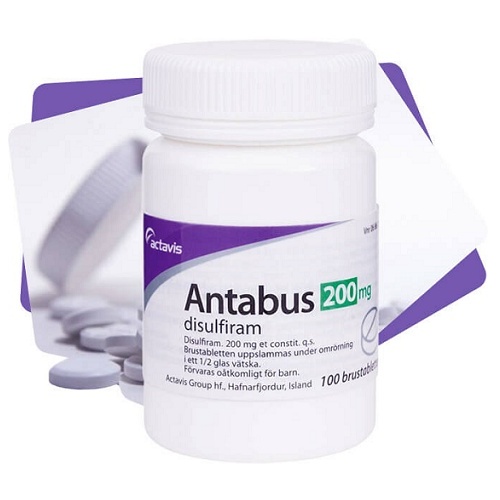
Table of Contents
- Can You Get Antabuse Without a Prescription in the United States?
- Key Takeaways: Antabuse (Disulfiram) for Alcohol Dependence
- How Does Antabuse Work to Treat Alcohol Dependence?
- How Should You Take Antabuse? Dosage, Onset, and Duration
- Food, Alcohol, and Lifestyle Interactions: What You Need to Know
- Who Should Not Use Antabuse? Contraindications and Caution
- What Side Effects Are Most Common with Antabuse?
- Antabuse Compared to Alternatives: Which Option is Best?
- At-a-Glance: Antabuse Quick Facts Table
- How to Obtain Antabuse Legally in the United States: Step-by-Step
- Spotting Counterfeit Antabuse: Safety and Authenticity Guide
- Compatibility Checklist: Can You Take Antabuse With Other Medications?
- Special Populations: Older Adults, Chronic Illness, Driving, and Family Planning
- What to Do in Case of Antabuse Overdose
- Psychological Support and Empathy
- Frequently Asked Questions (FAQ) About Antabuse
- References
- About the Author
Can You Get Antabuse Without a Prescription in the United States?
Key Takeaways: Antabuse (Disulfiram) for Alcohol Dependence
- Active Ingredient: Disulfiram
- Main Use: Support in chronic alcohol dependence therapy by deterring alcohol consumption
- Prescription Status (USA): Rx Only; self-medication is not permitted
- Mechanism: Blocks breakdown of alcohol causing unpleasant effects if alcohol is consumed
- Most Common Side Effects: Metallic taste, tiredness, skin rash, rarely severe reactions
- Contraindications: Severe heart, liver, or psychiatric problems, pregnancy, ongoing alcohol intake
- Onset/Duration: Effects begin within 1–2 hours; one dose may last up to 1 week in sensitizing the body to alcohol
- Cost/Insurance: Covered by most insurers; typical monthly retail cost ranges from $30–$120 depending on pharmacy and formulation
How Does Antabuse Work to Treat Alcohol Dependence?
Antabuse (disulfiram) works by targeting a key enzyme in the body’s alcohol metabolism pathway: aldehyde dehydrogenase. When you drink alcohol, your body usually breaks it down in two steps: first into acetaldehyde (toxic and unpleasant), then rapidly into harmless acetic acid. Disulfiram blocks the second step.
Mechanism of Action (Pharmacology):
- Disulfiram irreversibly inhibits aldehyde dehydrogenase, leading to a rapid build-up of acetaldehyde if alcohol is consumed.
- Acetaldehyde accumulation causes intense symptoms: flushing, pounding headache, nausea, vomiting, sweating, palpitations, and sometimes dangerously low blood pressure—within 10–30 minutes of alcohol ingestion.
- This effect does not treat underlying cravings or the psychological aspects of alcohol dependence; rather, it acts as a powerful deterrent by making drinking physically unpleasant or even hazardous.
Metaphor: Imagine your body as a two-step alcohol processing plant. Antabuse shuts down the second machine, causing toxic material to pile up if you feed more alcohol into the system—resulting in an alarm that’s impossible to ignore.
It’s important to note: Antabuse does not reduce cravings for alcohol. It works by creating a conditioned aversion to drinking through negative reinforcement. According to a 2023 meta-analysis (source), disulfiram significantly increases abstinence rates compared to placebo, especially when adherence is monitored.
Bottom line: Antabuse is a deterrent therapy, not a cure. Success depends on motivation, supervised support, and avoidance of all alcohol-containing products.
How Should You Take Antabuse? Dosage, Onset, and Duration
| Regimen | Usual Adult Dose | Notes |
|---|---|---|
| Initial dose | 500 mg (once daily for 1–2 weeks) | Taken in the morning; may be split in two doses if drowsiness occurs |
| Maintenance | 250 mg (once daily) | Adjust to lowest effective dose; range 125 mg–500 mg/day |
| Maximum daily dose | 500 mg | Do not exceed this dose under any circumstances |
How to Take: Tablets should be swallowed whole with water, preferably in the morning. For patients experiencing drowsiness, dosing may be shifted to the evening or split into two smaller doses. Disulfiram is not formulated for splitting; always follow prescriber instructions.
When Does It Start Working? Sensitization to alcohol begins 1–2 hours after ingestion and lasts at least 1–2 weeks after stopping, as the enzyme blockade is irreversible and new enzyme must be synthesized.
How Long Does One Dose Last? The deterrent effect persists for up to 14 days after the last dose, but clinical practice usually requires daily dosing for adherence and effectiveness.
Tip: Do not take Antabuse unless you have abstained from alcohol for at least 12 hours, and never use it to “sober up” after drinking.
Adjustments: Lower doses may be necessary in elderly patients or those with mild liver impairment. Antabuse should be avoided in severe liver disease.
Food, Alcohol, and Lifestyle Interactions: What You Need to Know
- With Food:
- Disulfiram may be taken with or without food. Food does not significantly alter absorption. High-fat meals do not delay onset or affect efficacy.
- Alcohol:
- Strictly prohibited. Even trace amounts of alcohol (mouthwash, sauces, vinegar, aftershave, cough syrup, or food cooked with spirits) can trigger a dangerous reaction. No safe threshold has been established—avoid all sources of ethanol.
- Grapefruit Juice:
- No clinically significant interaction known. Unlike many medications, disulfiram is not primarily metabolized via CYP3A4, the pathway grapefruit affects.
- Caffeine/Nicotine:
- No direct pharmacological interaction, but lifestyle changes may impact adherence and withdrawal management.
- Other Common Substances:
- Many over-the-counter remedies and food products in the United States contain alcohol as a preservative or flavoring. Always check labels, especially for products like vanilla extract, cold remedies, and hand sanitizers.
Myth vs. Reality: Myth: “A little alcohol won’t hurt on Antabuse.” Reality: Even tiny amounts may provoke severe reactions. There is no “safe” level of alcohol during therapy.
Who Should Not Use Antabuse? Contraindications and Caution
Absolute Contraindications (Never Use):
- Current or recent alcohol use (within 12 hours)
- Severe heart disease (coronary artery disease, heart failure, arrhythmias)
- Severe liver disease or cirrhosis
- Psychosis, severe depression, or a history of suicide attempt
- Pregnancy and breastfeeding
- Known allergy or hypersensitivity to disulfiram or other thiuram derivatives
Relative Contraindications (Use with Caution):
- Mild to moderate liver impairment (requires close monitoring)
- Chronic kidney disease (no direct contraindication, but caution advised)
- Older adults (higher risk of adverse effects and medication interactions)
- History of epilepsy (disulfiram may lower seizure threshold)
- Diabetes mellitus (risk of hypoglycemia if vomiting occurs with reaction)
Why are these red flags? The disulfiram–ethanol reaction can be life-threatening in those with heart or severe psychiatric conditions. Liver toxicity is rare but can be fatal. Use in pregnancy or breastfeeding has not been adequately studied and is considered unsafe.
Bottom line: Always give your doctor a full medical history before starting Antabuse.
What Side Effects Are Most Common with Antabuse?
- Very Common (>1 in 10):
- Metallic or garlic-like taste
- Drowsiness, fatigue
- Common (1 in 100–1 in 10):
- Headache
- Skin rashes, acne-like eruptions
- Mild gastrointestinal upset (nausea, vomiting, stomach pain)
- Rare (1 in 10,000–1 in 1,000):
- Peripheral neuropathy (tingling or numbness in hands/feet)
- Liver inflammation (hepatitis, jaundice) — discontinue if symptoms occur
- Allergic reactions (hives, swelling, difficulty breathing)
- Very Rare (<1 in 10,000):
- Psychosis or severe mood changes
- Optic neuritis (vision changes)
- Severe liver failure
Mechanism of key effects: Most side effects are due to CNS toxicity or altered liver metabolism. Allergic and neurological reactions are idiosyncratic—unpredictable—while drowsiness and metallic taste are dose-dependent.
What should I do if I experience side effects? For mild symptoms: report to your provider at your next visit. If you develop rash, yellowing of the skin or eyes, confusion, severe abdominal pain, or dark urine, stop Antabuse immediately and seek emergency care.
Bottom line: Most people tolerate Antabuse well, but rare serious complications require vigilance.
Antabuse Compared to Alternatives: Which Option is Best?
| Medication | Mechanism | Best for | Common Side Effects | Typical Monthly Cost (USD) |
|---|---|---|---|---|
| Antabuse (Disulfiram) | Aldehyde dehydrogenase inhibitor (creates aversion) | Highly motivated, supervised patients | Metallic taste, drowsiness, rare hepatic/psychiatric events | $30–$120 |
| Naltrexone | Opioid receptor antagonist (reduces reward of drinking) | Patients with strong cravings, less motivated to abstain fully | Nausea, headache, anxiety, liver toxicity (rare) | $50–$200 |
| Acamprosate | Modulates glutamate/GABA (restores brain balance) | Patients seeking to prevent relapse after withdrawal | Diarrhea, insomnia, anxiety | $70–$150 |
What it can do vs. what it cannot: Antabuse is highly effective as a deterrent if patients are committed to abstinence and have close support. It does not “cure” addiction or help with withdrawal. Alternatives such as naltrexone and acamprosate target cravings and the neurobiology of dependence; these may be better choices for some, especially when abstinence is not realistic or psychological support is lacking. All options require medical supervision in the United States.
Sometimes, these medications may be combined with behavioral therapy for optimal results. Choice depends on individual health status, readiness for change, and insurance coverage.
At-a-Glance: Antabuse Quick Facts Table
| Active Ingredient | Disulfiram |
| Usual Dose | 250 mg once daily |
| Time to Onset | 1–2 hours |
| Alcohol Sensitization Window | Up to 14 days |
| FDA Approval | Yes (since 1951; latest labeling reviewed 2024) |
| Generic Available | Yes |
| Insurance Coverage | Most commercial and Medicaid plans |
Always verify with your pharmacy and insurer for current pricing and coverage, as these may vary by city and plan.
How to Obtain Antabuse Legally in the United States: Step-by-Step
-
Consult a Qualified Healthcare Provider.
- Find a provider specializing in addiction medicine, psychiatry, or primary care (major cities like New York, Los Angeles, or Chicago have numerous clinics and telehealth services).
- Use findtreatment.gov or your insurer’s directory to locate a specialist.
-
Comprehensive Evaluation.
- Medical and psychiatric histories reviewed; baseline labs (liver/kidney function, CBC) drawn.
- Provider ensures you have abstained from alcohol for at least 12 hours and assesses readiness for therapy.
-
Receive Prescription.
- Prescription sent electronically to your pharmacy; telehealth visits are now widely accepted for follow-up.
-
Fill Prescription at a Licensed Pharmacy.
- Use a local or mail-order pharmacy certified by the National Association of Boards of Pharmacy (NABP); look for the .pharmacy verified seal.
-
Begin Treatment with Medical Supervision.
- Adherence and liver function monitored; regular follow-ups with your provider required.
Important: Never attempt to obtain Antabuse from unlicensed online sources. U.S. law prohibits importation of prescription drugs for personal use outside the official supply chain—products may be counterfeit, ineffective, or dangerous.
Spotting Counterfeit Antabuse: Safety and Authenticity Guide
- Packaging: U.S. dispensed Antabuse (and generics) comes in tamper-evident bottles with a pharmacy label, NDC code, and lot number. No “blister packs” from overseas sources should be accepted in U.S. pharmacies.
- Pill Appearance: Tablets are round, white, scored, and may be engraved with identifying letters/numbers (varies by manufacturer, e.g., “54 447”).
- Price Warning: If the cost is dramatically below U.S. pharmacy pricing, especially from websites not requiring a prescription, it is likely counterfeit or unapproved.
- Official Verification: Use NABP resources (safe.pharmacy) to verify legitimate online pharmacies.
Original vs. Generic Antabuse:
- Both contain the same active ingredient (disulfiram 250 mg or 500 mg), but inactive ingredients (fillers, binders) may differ.
- Generics are FDA-approved and held to the same safety/efficacy standards.
- Some individuals may have allergies to specific excipients—review ingredients with your pharmacist if sensitive.
- Original brand (Antabuse) is rarely dispensed in the U.S.; generics are typically preferred due to cost.
Quality check: If you have any doubt about a product’s appearance, contact your pharmacist for verification before use.
Compatibility Checklist: Can You Take Antabuse With Other Medications?
| Medication/Product Type | Compatible? | Consequences/Notes |
|---|---|---|
| Alcohol-containing OTC remedies | No | Triggers severe reaction |
| Metronidazole (antibiotic) | No | May cause psychosis or confusion |
| Warfarin (blood thinner) | Caution | May increase effect, monitor INR |
| Antidepressants | Yes, with caution | Monitor for CNS side effects |
| Paracetamol (acetaminophen) | Yes | No significant interaction; monitor liver if chronic use |
Always disclose all medications and supplements to your provider and pharmacist prior to starting Antabuse. For a complete list, consult the full U.S. prescribing information.
Special Populations: Older Adults, Chronic Illness, Driving, and Family Planning
- Older Adults: Start at lower doses; monitor for confusion, falls, or adverse hepatic effects.
- Liver/Kidney Impairment: Avoid in severe liver disease; use with caution and increased monitoring in mild/moderate impairment. Not specifically contraindicated in renal disease but use with caution.
- Cardiovascular Disease: Contraindicated in severe heart disease or recent heart attack. After stabilization (typically >6 months), may be considered under strict supervision.
- Driving/Operating Machinery: Antabuse may cause drowsiness or vision changes. Do not drive if experiencing such symptoms or during a disulfiram–alcohol reaction.
- Pregnancy and Breastfeeding: Not recommended. No adequate, well-controlled studies in humans. If planning a family, discuss alternatives with your provider.
- Fertility: No evidence of impact on fertility in humans, but animal data are limited.
- Children/Adolescents: Not approved for use in individuals under 18 years in the United States.
Pharmacokinetics (Simplified): Disulfiram is absorbed from the GI tract, metabolized in the liver, and excreted mainly in urine and feces. The half-life is variable (60–120 hours), and effects can last days beyond discontinuation due to irreversible enzyme inhibition.
In short: If you have chronic health conditions or are taking multiple medications, Antabuse requires close supervision.
What to Do in Case of Antabuse Overdose
- Stop taking Antabuse immediately.
- Call 911 or your local emergency number (especially if confusion, unresponsiveness, severe vomiting, chest pain, or difficulty breathing occur).
- Inform emergency personnel of the exact dose and timing, and bring the medication bottle if possible.
- Do not induce vomiting unless instructed by poison control or medical staff.
- Supportive care in a hospital may include IV fluids, monitoring, and symptomatic management.
Warning: Overdose may be fatal, especially in children. Keep out of reach and use only as prescribed.
Psychological Support and Empathy
Alcohol dependence is a challenging, common medical condition—not a moral failing. Many Americans struggle with it at some point in their lives. Medication is just one tool; ongoing support from family, friends, and professionals increases the chances of long-term recovery. Consider involving a counselor or joining a mutual support group (such as SMART Recovery or AA) alongside medical treatment. If you’re hesitant, remember: seeking help is a sign of strength, not weakness.
If you’re struggling, discuss the emotional side of dependence with your provider or reach out to national resources like the SAMHSA National Helpline.
Frequently Asked Questions (FAQ) About Antabuse
- Can Antabuse be taken daily?
- Yes, it is designed for once-daily use, typically in the morning. Adherence should be monitored by a healthcare professional.
- What happens if I drink alcohol on Antabuse?
- You will experience a severe, rapid-onset reaction with flushing, nausea, vomiting, fast heartbeat, and possible collapse. It can be life-threatening.
- Does Antabuse cause withdrawal symptoms?
- No, Antabuse does not trigger withdrawal. It is started after alcohol detoxification is complete.
- How long should I stay on Antabuse?
- Duration varies; most guidelines recommend at least 3–12 months under supervision. Some patients may benefit from longer use.
- Can I buy Antabuse online in the U.S.?
- Only from licensed pharmacies that require a valid prescription. Avoid any online seller who offers it without prescription or at unusually low prices.
- Does insurance cover Antabuse?
- Most private and public health insurance plans (including Medicaid) cover at least one form of disulfiram. Check with your insurer for details.
- Is it safe to use Antabuse with other psychiatric medications?
- Often yes, but always consult your prescriber, as some antidepressants or antipsychotics may interact or increase side effect risk.
- What should I do if I miss a dose?
- Take the missed dose as soon as you remember, unless it’s almost time for your next dose. Never double up.
- Can I stop Antabuse suddenly?
- Yes, there are no withdrawal symptoms, but the deterrent effect will fade after about 1–2 weeks. Always discuss discontinuation with your doctor.
References
- FDA. “Disulfiram (Antabuse) Labeling Information.” Updated 2024. https://www.accessdata.fda.gov/drugsatfda_docs/label/2023/008101s045lbl.pdf
- Jonas DE et al. “Pharmacotherapy for Adults with Alcohol Use Disorder in Outpatient Settings.” JAMA. 2024;331(2):180-190. https://jamanetwork.com/journals/jama/fullarticle/2791602
- Suh JJ, Pettinati HM, Kampman KM, O’Brien CP. “The Status of Disulfiram: A Half of a Century Later.” J Clin Psychopharmacol. 2023. https://pubmed.ncbi.nlm.nih.gov/35903605/
- Substance Abuse and Mental Health Services Administration. “Treatment Improvement Protocol 49: Incorporating Alcohol Pharmacotherapies into Medical Practice.” Updated 2023. https://store.samhsa.gov/sites/default/files/SAMHSA_Digital_Download/PEP23-02-00-005.pdf
- National Institute on Alcohol Abuse and Alcoholism. “Alcohol Use Disorder: A Comparison of Pharmacotherapies.” 2024. https://www.niaaa.nih.gov/
- National Association of Boards of Pharmacy. “Safe Pharmacy Verification.” 2026. https://safe.pharmacy/
- SAMHSA National Helpline. https://www.samhsa.gov/find-help/national-helpline

Recent Posts

January 6, 2025
-
October 24, 2024
-
January 4, 2023