- Home/
- Buy Zithromax Online in the United States Safely and Easily
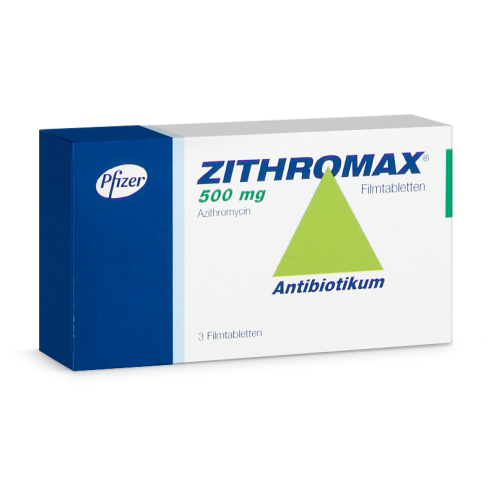
Zithromax (Azithromycin) in the United States: The Most Comprehensive Guide for Safe Use
Direct Answer: Can You Get Zithromax Without a Prescription in the United States?
No, Zithromax (azithromycin) is a prescription-only antibiotic in the United States. Purchasing or using it without a valid prescription from a licensed healthcare provider is illegal and unsafe. All legitimate pharmacies (including online telehealth services) in the U.S. require a prescription before dispensing this medication.
Key Facts About Zithromax (Summary Table)
| Parameter | Details (as of 2026, U.S.) |
|---|---|
| Active Ingredient | Azithromycin |
| Usual Indications | Respiratory, skin, and certain sexually transmitted infections |
| Prescription Status | Prescription required (Rx Only in U.S.) |
| Onset of Action | Within 24-48 hours of starting treatment |
| Main Contraindications | Severe liver disorders, allergy to macrolide antibiotics |
| Metabolism & Elimination | Mainly by the liver; eliminated in bile/feces |
| Availability | All U.S. pharmacies (with prescription); generic versions widely available |
In short: Zithromax is a well-established antibiotic, but its use must be guided by a healthcare professional for safe and effective results.
What Is Zithromax and What Is It Used For?
Zithromax is the brand name for azithromycin, a macrolide-type antibiotic. In the United States, it’s FDA-approved for a wide range of bacterial infections, including:
- Community-acquired pneumonia
- Acute bacterial sinusitis
- Pharyngitis or tonsillitis (strep throat)
- Skin and soft tissue infections
- Certain sexually transmitted diseases (e.g., chlamydia)
- Acute exacerbations of chronic bronchitis
Azithromycin is not effective for viral infections (like the common cold or flu), and misuse can lead to antibiotic resistance. Always use only as prescribed by your provider.
Myth vs Reality: Myth: “Antibiotics like Zithromax cure all infections.”
Reality: Zithromax only works against bacteria, not viruses or fungi.
In the U.S., Zithromax is available as tablets, oral suspension, and sometimes as an intravenous formulation in hospitals.
How Does Zithromax Work? (Mechanism of Action Explained)
Zithromax (azithromycin) is a macrolide antibiotic that inhibits bacterial protein synthesis. It binds to the 50S ribosomal subunit of susceptible bacteria, blocking translocation steps required for protein creation, which halts bacterial growth (bacteriostatic effect). At higher concentrations or with certain organisms, it may also exhibit bactericidal effects (actually killing the bacteria).
- Targets: Many Gram-positive, some Gram-negative, and atypical pathogens (like Mycoplasma and Chlamydia).
- Unique: Azithromycin penetrates tissues and cells better than many other antibiotics, leading to high concentrations at infection sites.
Simplified metaphor: Imagine bacteria as factories. Zithromax disables the machinery so the factory can’t make the workers (proteins) it needs to survive and multiply.
Unlike some antibiotics, Zithromax does not require specific external factors for its effect—it works independently as long as the infecting bacteria are sensitive.
For a more technical review, see the FDA or PubMed for recent pharmacology studies.
Expert Commentary from doctor
In my clinical experience, Zithromax is often chosen for its convenient dosing schedule and broad coverage, especially for respiratory tract infections and sexually transmitted diseases. However, patients sometimes expect “instant relief” after the first dose, which is unrealistic—antibiotic effects typically become noticeable 24–48 hours after starting therapy. Another widespread misconception is that Zithromax can be used for any sore throat or cough, but it’s crucial to confirm a bacterial cause before prescribing. I also remind patients that completing the entire course, even if symptoms improve, is essential to prevent resistance and relapse. Zithromax’s long half-life allows for once-daily dosing, but skipping doses or self-medicating can lead to treatment failure and increased resistance in the community.
How Should You Take Zithromax? (Dosage Regimen & Duration)
| Condition | Typical Adult Dose | Duration |
|---|---|---|
| Community-Acquired Pneumonia | 500 mg on Day 1, then 250 mg once daily on Days 2–5 | 5 days |
| Chlamydia (Uncomplicated) | Single 1 g (1000 mg) dose | Once |
| Strep Throat | 500 mg on Day 1, then 250 mg on Days 2–5 | 5 days |
- Maximum daily dose: Do not exceed 500 mg per day except for single-dose regimens as directed by your physician.
- Pediatric dosing: Is weight-based; consult your pediatrician for precise instructions.
- Tablet splitting: Zithromax tablets should not be split or crushed unless directed by a pharmacist, as the coating ensures proper release.
- Missed dose: Take as soon as remembered, but do not double up; skip if it’s nearly time for the next dose.
Effect is usually noticeable within 1–2 days, but it is critical to complete the entire prescribed course even if you feel better sooner.
How Do Food and Lifestyle Factors Affect Zithromax?
- Azithromycin absorption is slightly reduced by food, but not enough to require strict fasting.
- Taking Zithromax with or without food is acceptable, but high-fat meals may slow absorption by up to 1 hour (Mayo Clinic).
Alcohol:
- Moderate alcohol consumption (e.g., 1–2 standard drinks per day) is not strictly contraindicated.
- However, heavy drinking increases the risk of stomach upset and can impair immune response to infection.
Grapefruit Juice:
- Unlike some antibiotics, Zithromax does not interact significantly with grapefruit juice.
Dairy:
- No significant interaction; safe to take with milk or dairy products.
Other Medications:
- Antacids (especially aluminum or magnesium) may reduce absorption if taken simultaneously—space doses by at least 2 hours.
Who Should NOT Take Zithromax? (Contraindications & Cautions)
| Type | Condition | Explanation |
|---|---|---|
| Absolute | Known allergy to azithromycin or other macrolides | Risk of life-threatening allergic reaction |
| Absolute | Severe liver dysfunction | Metabolized by liver; can cause dangerous accumulation |
| Relative | History of QT prolongation or arrhythmia | May increase risk of heart rhythm disturbances |
| Relative | Severe kidney disease | Dose adjustment may be needed; consult nephrologist |
| Relative | Use with drugs that prolong QT interval (e.g., some antipsychotics, antiarrhythmics) | Cumulative effect increases risk of Torsades de Pointes (a serious arrhythmia) |
Always inform your doctor of your full medical history and all medications you are taking before starting Zithromax. If you have had a recent heart attack or suffer from electrolyte imbalances, close monitoring may be required.
What Side Effects Are Most Common with Zithromax?
| Frequency | Side Effect | Explanation / What To Do |
|---|---|---|
| Very Common (>1/10) | Stomach upset (nausea, diarrhea) | Usually mild; stay hydrated, eat bland foods |
| Common (1/100–1/10) | Abdominal pain, headache, dizziness | Typically resolves as treatment continues |
| Rare (1/10,000–1/1,000) | Severe allergic reaction (anaphylaxis), liver injury | Seek emergency care immediately |
| Very Rare | QT prolongation, arrhythmia, hearing changes | Report immediately if you experience heart palpitations or fainting |
- Clostridioides difficile–associated diarrhea can occur even weeks after stopping; contact your doctor if you have severe, persistent diarrhea.
- Rash, itching, or hives: Stop the medication and contact your healthcare provider.
- Liver symptoms: Yellowing of the skin or eyes, dark urine—stop and seek urgent care.
Pharmacokinetics: What Happens to Zithromax in the Body?
Absorption: Zithromax is rapidly absorbed when taken orally; peak blood levels occur about 2–3 hours after dosing.
Tissue Concentration: Azithromycin accumulates in tissues—especially in lungs, tonsils, and skin—reaching concentrations 10–100 times higher than in blood plasma.
Metabolism and Elimination: Primarily processed by the liver (CYP3A4 enzyme pathway). The drug is excreted mainly in bile and feces, with only a small proportion via urine.
Half-life (T1/2): Approximately 68 hours; this long half-life allows for once-daily dosing and short treatment courses.
- Practical tip: Due to its persistence in tissues, symptoms may keep improving even after you finish the last dose.
Special Considerations for Certain Patient Groups
- Elderly: Generally, no dose adjustment needed, but monitor for heart rhythm disturbances, especially if on other QT-prolonging drugs.
- Liver impairment: Use with caution or avoid in moderate-to-severe hepatic dysfunction; monitoring of liver enzymes may be necessary.
- Renal impairment: Mild-to-moderate kidney disease usually does not require dose changes; severe cases should consult a nephrologist.
- Pediatrics: Dose is weight-based; precise instructions needed from a pediatrician.
- Pregnancy and breastfeeding: Zithromax is generally considered safe in pregnancy (Category B), but always consult your OB-GYN. Small amounts appear in breast milk but are usually considered compatible with breastfeeding.
- Driving or machinery: Unlikely to affect alertness, but dizziness has been reported. Use caution until you know how you respond.
- Fertility: No known effects on fertility in humans at standard doses.
Compatibility Table: Zithromax and Other Products
| Product | Can it be combined? | Consequences |
|---|---|---|
| Acetaminophen (Tylenol) | Yes | Safe for fever/pain |
| Ibuprofen | Yes | No major interaction |
| Warfarin | Caution | Monitor INR; potential interaction |
| Antacids (aluminum/magnesium) | Yes, with spacing | Take Zithromax at least 2 hours before or after |
| QT-prolonging drugs (e.g., amiodarone) | NO | Risk of fatal arrhythmia |
| Oral contraceptives | Yes | No known interaction |
Always check with your healthcare provider or pharmacist before starting any new medication while on Zithromax.
Common Patient Mistakes Observed by doctor
- Stopping the course early. Many patients feel better after a couple of doses and discontinue treatment, leading to relapse or antibiotic resistance. Always finish the prescribed course.
- Using leftover or someone else’s antibiotics. This can result in improper dosing or treating the wrong infection. Never share or reuse antibiotics.
- Mixing with antacids incorrectly. Taking Zithromax at the same time as magnesium/aluminum antacids reduces its absorption. Space antacids at least 2 hours apart.
- Assuming it treats viral infections. Zithromax is ineffective against viruses. Do not use for colds or flu.
- Ignoring drug interactions. Failing to mention other medications (especially heart or psychiatric drugs) can be dangerous. Always give your provider a full, updated medication list.
- Missing doses or doubling up. Skipping doses can decrease effectiveness, while doubling up increases side effect risk. Follow your prescribed schedule carefully.
How Does Zithromax Compare to Alternatives?
| Drug (Brand Name) | Onset Speed | Duration/Treatment Course | Typical Side Effects | Estimated Price per Treatment (USD, 2026) | Prescription Required? |
|---|---|---|---|---|---|
| Zithromax (Azithromycin) | 24–48 hours | 3–5 days | GI upset, rare arrhythmias | $12–$40 (generic 5-day course) | Yes |
| Amoxicillin (Amoxil) | 24–48 hours | 7–10 days | GI upset, rash | $8–$25 (generic 7-day course) | Yes |
| Clarithromycin (Biaxin) | 24–48 hours | 7–14 days | Metallic taste, GI upset | $30–$60 (generic 7-day course) | Yes |
- Zithromax has the convenience of a shorter course and once-daily dosing.
- Clarithromycin and Amoxicillin may be better in certain infections, but may require longer treatment.
- Your doctor will select the most appropriate antibiotic based on infection type, allergies, and resistance patterns in your region.
Key Parameters Table: Zithromax at a Glance
| Parameter | Value |
|---|---|
| Dose Forms | Tablets (250 mg, 500 mg), Oral Suspension, IV (hospital use) |
| Typical Adult Dose | 500 mg day 1, 250 mg days 2–5 |
| Peak Effect | 24–48 hours after starting |
| Duration of Action | Up to 7 days in tissues |
| Half-life | ~68 hours |
| Prescription Needed? | Yes |
How to Obtain Zithromax Legally in the United States (Step by Step)
- Consultation: Schedule an appointment with your primary care provider, urgent care, or a telemedicine service licensed in your state.
- Medical evaluation: Describe your symptoms; your provider will determine if an antibiotic is appropriate (may require testing).
- Prescription: If indicated, your provider issues an electronic or paper prescription.
- Pharmacy fill: Take your prescription to a local pharmacy (e.g., CVS, Walgreens, Walmart) or use a licensed online pharmacy that verifies prescriptions (e.g., through your insurance plan or telehealth provider).
- Insurance: Most U.S. insurance plans cover generic azithromycin; co-pays and pricing vary by plan and pharmacy.
- Follow-up: Complete the prescribed course and return for follow-up if symptoms persist or worsen.
Note: In-person or telehealth consultation is required for all legal prescriptions in the U.S.; beware of online pharmacies that offer “no prescription needed”—these are illegal and unsafe.
Is It Legal to Buy Zithromax Online in the United States?
Legally, you may purchase Zithromax online only from U.S.-licensed pharmacies that require a prescription. The Food and Drug Administration (FDA) and the National Association of Boards of Pharmacy (NABP) strongly warn against buying from “rogue” websites that do not require a prescription or are located outside the U.S.
- Look for the .pharmacy verification seal or check the NABP “Safe Pharmacy” list.
- Buying from unverified sources increases your risk of receiving counterfeit, ineffective, or dangerous products. It may also be a violation of federal law.
- Customs may seize medications shipped from abroad without a prescription or documentation.
Prescription requirements exist to protect your safety: only a qualified professional can determine the need for antibiotics and monitor for side effects or allergies.
How to Identify Genuine Zithromax and Avoid Counterfeits
- Manufacturer: Original Zithromax is made by Pfizer (as of 2026); generics by several FDA-approved manufacturers.
- Packaging: Sold in sealed blister packs or bottles with clear Pfizer or generic manufacturer branding.
- Tablets: Typically blue (250 mg) or white (500 mg), film-coated, marked with “Pfizer ZTM” or generic imprint codes.
- Labeling: Always includes NDC (National Drug Code), lot number, and expiry date.
- Security features: Some have QR codes or holograms; check for tamper-evident seals.
- Price warning: If the price is substantially below the U.S. average (e.g., less than $10 for a full course), it’s likely counterfeit or imported illegally.
- Pharmacy receipts: A legitimate sale will include a pharmacy label with your name, prescriber’s name, and dosing instructions.
If you suspect a counterfeit, do not take the product. Contact your pharmacist, prescriber, or the FDA’s MedWatch program. Counterfeits may not contain the right active ingredient, can contain toxins, or have dosing errors.
Original Zithromax vs. Generics: What’s Different?
- Active ingredient: All FDA-approved generics contain the same dose of azithromycin as the brand Zithromax.
- Excipients (inactive ingredients): May vary; check packaging if you have known allergies to dyes or fillers.
- Regulation: All generics must meet FDA standards for safety, efficacy, and bioequivalence.
- Advantages of generics: Substantially lower cost (often $12–$20 for a full 5-day course) with equal effectiveness.
- When to choose brand: If you have experienced allergic reactions to excipients in generics.
For most patients, generics are both safe and effective. Discuss with your pharmacist if you have concerns about inactive ingredients.
What to Do in Case of Zithromax Overdose?
- Stop taking Zithromax immediately.
- Call 911 or your local emergency number if you have severe symptoms (fainting, irregular heartbeat, severe nausea/vomiting).
- Inform medical personnel of the exact amount and time of overdose, and bring the medication packaging with you.
- Do not attempt to induce vomiting unless instructed by poison control or a medical professional.
- Call the Poison Control Center at 1-800-222-1222 for further guidance in the United States.
Symptoms of overdose may include hearing loss, severe nausea, vomiting, or diarrhea. Most cases are manageable if treated promptly.
You’re Not Alone: Empathy & Support for Patients
Infections are common, and nearly everyone faces them at some point. There’s no shame in seeking help or needing antibiotics—what matters is using them responsibly. If you’re anxious about your illness or treatment, it’s wise to discuss concerns with your healthcare provider or, if appropriate, a counselor or support group. Open communication leads to better health outcomes.
Questions Frequently Asked to doctor
- Can I take Zithromax if I have a penicillin allergy?
- Yes, Zithromax is not related to penicillin and is often prescribed as an alternative for those with penicillin allergies. However, always inform your doctor of all known drug allergies.
- What should I do if I miss a dose?
- Take the missed dose as soon as you remember, unless it’s almost time for your next dose. Do not double up. Continue with your regular schedule.
- Is it safe to use Zithromax long-term?
- Zithromax is generally intended for short courses. Long-term use is rare and only under specialist guidance (for example, in some lung conditions). Chronic use increases risk of side effects and antibiotic resistance.
- Does Zithromax interact with birth control pills?
- No significant interactions are known. Your contraceptive efficacy should not be reduced by Zithromax.
- Can I drink alcohol while taking Zithromax?
- Moderate alcohol consumption does not interact directly, but excessive drinking can increase stomach upset and slow recovery. Moderate or avoid alcohol during antibiotic therapy for best results.
- Is Zithromax safe for older adults?
- Generally, yes, but older adults are more at risk for heart rhythm issues, especially if they are taking other QT-prolonging medications. Your doctor may recommend closer monitoring or ECG before starting.
- What signs mean I should stop taking Zithromax and call my doctor?
- Stop immediately and seek help if you develop rash, difficulty breathing, severe diarrhea, yellowing of the skin or eyes, or irregular heartbeats.
Professional Opinion of doctor
As a practicing physician, I find Zithromax a valuable tool for treating a variety of bacterial infections, particularly when patient adherence to longer regimens is a challenge. Its once-daily dosing and relatively short course make it appealing for many patients. However, antibiotic stewardship is critical—overuse or inappropriate use can drive bacterial resistance. I typically reserve Zithromax for clear bacterial indications, especially when other antibiotics are less suitable due to allergies or resistance. It’s important to remember that while Zithromax is effective for many bacterial infections, it is not a cure-all. For patients at risk for heart rhythm disturbances or with significant hepatic dysfunction, other agents may be safer. Ultimately, treatment decisions should be individualized, considering infection type, patient history, and local resistance patterns. Always consult a healthcare professional before starting antibiotics.
FAQ: Zithromax Use in the United States
- Can Zithromax be used for COVID-19?
- No, current guidelines do not recommend Zithromax for COVID-19 unless there is a confirmed bacterial co-infection. It does not treat viral infections.
- Is Zithromax available over-the-counter?
- No, a prescription is always required in the United States.
- How much does a course of Zithromax cost?
- Generic azithromycin typically costs $12–$40 for a standard 5-day course without insurance. Prices may vary by pharmacy and insurance plan.
- How quickly does Zithromax work?
- Most patients notice improvement within 24–48 hours, but you must complete the full course.
- Can I split Zithromax tablets?
- No, tablets are not intended to be split or crushed. Take them whole unless instructed by your pharmacist.
- What should I do if I get a rash while taking Zithromax?
- Stop the medication and contact your doctor immediately, as this could indicate an allergic reaction.
- Does Zithromax affect driving or operating machinery?
- It generally does not, but if you feel dizzy or unwell, use caution.
- Are there alternatives to Zithromax if I cannot tolerate it?
- Yes, several other antibiotics are available. Your provider will choose based on infection type and your history.
- Is it safe for pregnant or breastfeeding women?
- Generally considered safe, but always discuss with your OB-GYN before starting any medication during pregnancy or lactation.
References
- FDA. Drug Approval Package: Zithromax (Azithromycin). Accessed 2026. https://www.fda.gov/
- Mayo Clinic. Azithromycin (Oral Route). Accessed 2026. https://www.mayoclinic.org/drugs-supplements/azithromycin-oral-route/description/drg-20072358
- National Institutes of Health (NIH), U.S. National Library of Medicine. Azithromycin. Accessed 2026. https://pubmed.ncbi.nlm.nih.gov/
- Centers for Disease Control and Prevention (CDC). Antibiotic Use Questions. Accessed 2026. https://www.cdc.gov/antibiotic-use/index.html
- National Association of Boards of Pharmacy (NABP). Safe Buying Online. Accessed 2026. https://nabp.pharmacy/
- U.S. Department of Health & Human Services. Medication Safety Basics. Accessed 2026. https://www.hhs.gov/
- ClinicalTrials.gov. Azithromycin Studies. Accessed 2026. https://clinicaltrials.gov/

Recent Posts

January 6, 2025
-
October 24, 2024
-
January 4, 2023