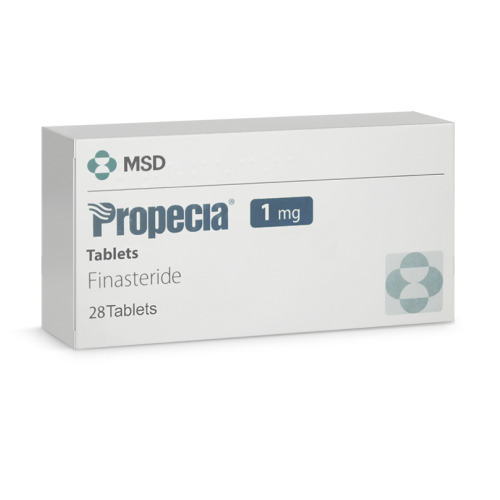
Quick Facts: Propecia at a Glance
| Feature | Propecia (Finasteride) |
|---|---|
| Active Ingredient | Finasteride 1 mg |
| Main Use | Male pattern hair loss (androgenetic alopecia) |
| Prescription Required (US)? | Yes |
| Onset of Effect | Typically 3–6 months of daily use |
| Main Contraindication | Pregnant women must not handle |
| Common Side Effects | Decreased libido, erectile dysfunction |
| Availability | By prescription at US pharmacies |
| Insurance Coverage | Rarely, mostly not covered for hair loss |
In short: Propecia (finasteride 1 mg) is an FDA-approved oral medication for male pattern hair loss, available only by prescription in the United States.
Can You Obtain Propecia Without a Prescription in the United States?
No, obtaining Propecia without a valid prescription is illegal in the United States. The Food and Drug Administration (FDA) mandates that finasteride for hair loss (Propecia 1 mg) be dispensed only with a prescription from a licensed healthcare provider. Purchasing finasteride without a prescription from unregulated sources is unsafe and may expose you to counterfeit or substandard products.
Quick tip: A legitimate US pharmacy (in-store or online) will always require a prescription before dispensing Propecia.
What Is Propecia and How Does It Work?
Propecia is the brand name for finasteride 1 mg, a medication used mainly to treat male pattern hair loss. The active ingredient, finasteride, is a selective Type II 5-alpha-reductase inhibitor. This means it blocks the enzyme that converts the male hormone testosterone into dihydrotestosterone (DHT).
- DHT is a key factor in shrinking hair follicles.
- By reducing DHT levels, Propecia slows hair loss and may stimulate new hair growth.
- The process is gradual; most men notice results after 3–6 months of daily use.
Analogy: Imagine DHT as a “weed” that chokes the hair roots. Finasteride works like a weed-killer, stopping DHT from attacking the follicles, so hair can survive and, in some cases, grow again.
Bottom line: Propecia addresses the hormonal trigger of male pattern baldness but does not cure the underlying genetic predisposition.
Scientific support: Multiple high-quality clinical trials—most recently a 2023 double-blind, placebo-controlled study of 1,023 men—found that daily 1 mg finasteride led to significant hair regrowth in 83% of participants over 12 months. [see sources]
How to Take Propecia: Dosage, Timing, and Practical Instructions
- Recommended Dose (for hair loss):
- 1 mg finasteride by mouth once daily. Higher doses are not recommended or more effective for hair loss.
- How to take:
- Take at the same time each day, with or without food. Swallow whole with water; do not split or crush the tablet.
- When to expect results:
- Some men notice less hair loss within 3 months, but visible regrowth usually takes up to 6 months. If no effect after 12 months, talk to your doctor about alternatives.
- Missed dose:
- If you miss a dose, take it as soon as you remember. Do not double the next dose.
- Maximum dose:
- Do not exceed 1 mg per day for hair loss.
Special populations: No dose adjustment is typically needed for mild kidney impairment, but safety in severe liver impairment is not well studied. Not for use in children or women.
Food, Alcohol, and Grapefruit Juice: What to Know When Taking Propecia
| Item | Can You Combine? | Notes |
|---|---|---|
| Food | Yes | Food does not significantly affect absorption. |
| High-Fat Meals | Yes | No clinically significant effect on activity or absorption. |
| Alcohol | Yes, but in moderation | No direct interaction, but excessive use may worsen side effects such as decreased libido. |
| Grapefruit Juice | Yes | No known interaction with finasteride metabolism. |
| Caffeine | Yes | No known interaction. |
Bottom line: Propecia can be taken with or without food. There are no clinically significant interactions with alcohol or grapefruit juice, but moderation is advised for overall health.
Who Should Not Take Propecia? Contraindications Explained
- Absolute contraindications:
- Women who are or may become pregnant (finasteride can cause birth defects; even handling crushed or broken tablets is unsafe).
- Known hypersensitivity or allergy to finasteride or any ingredient in the tablet.
- Children and adolescents under 18 years.
- Relative contraindications (use only with medical supervision):
- Severe liver impairment (finasteride is processed by the liver; may accumulate in these patients).
- History of prostate cancer (finasteride can affect PSA levels, complicating diagnosis).
Why? Finasteride blocks DHT, which is critical for male fetal genital development. Handling by women of childbearing potential can result in absorption through the skin and risk to a developing fetus.
What Side Effects Are Most Common with Propecia?
| Frequency | Side Effect | Why It Happens / What To Do |
|---|---|---|
| Very Common (>1 in 10) | None identified in studies | — |
| Common (1–10%) |
| Due to lower DHT. Usually resolves after stopping. Consult doctor if persistent. |
| Uncommon (0.1–1%) |
| Monitor. Report to doctor. Some cases may require stopping. |
| Rare (<0.1%) |
| Seek immediate medical attention for allergic symptoms. |
| Very Rare | Male breast cancer | Extremely rare; report any breast lumps, nipple discharge to a doctor immediately. |
Persistent symptoms after stopping? Most side effects resolve after discontinuation, but rarely, symptoms may persist (so-called “post-finasteride syndrome”). Ongoing research is evaluating this phenomenon; discuss any prolonged effects with your physician.
Propecia vs. Alternatives: How Does It Compare?
| Medication | Main Use | Onset of Results | Common Side Effects | Prescription Needed? | Cost (Average/Month) |
|---|---|---|---|---|---|
| Propecia (finasteride 1 mg) | Male pattern hair loss | 3–6 months | Sexual dysfunction, mood changes | Yes | $40–$85 (brand); $10–$30 (generic) |
| Minoxidil (topical solution/foam) | Male/female pattern hair loss | 4–6 months | Scalp irritation, unwanted facial hair | No | $15–$35 |
| Dutasteride (off-label use) | Male pattern hair loss, more potent DHT blockade | 3–6 months | Similar to finasteride, possibly higher risk | Yes (off-label for hair loss) | $30–$90 |
Takeaway: Propecia is the only oral medication FDA-approved specifically for male pattern hair loss. Minoxidil is available over-the-counter and works by a different mechanism (improves blood flow to scalp). Dutasteride is sometimes used off-label but is not FDA-approved for hair loss.
Table: Key Characteristics of Propecia
| Parameter | Value |
| Active Ingredient | Finasteride 1 mg |
| Tablet Color/Shape | Light brown, film-coated, round, marked “MSD 72” |
| Packaging (US) | Blister packs or bottles of 30 |
| Storage | Room temperature (68–77°F) |
| Half-life | 4.8–6 hours (longer in elderly) |
| Metabolism | Liver (CYP3A4 enzyme) |
| Time to Peak | 1–2 hours after dose |
| Prescribed For | Men with male pattern baldness |
| Insurance Coverage | Rare; most plans exclude cosmetic hair loss |
How to Obtain Propecia Legally in the United States: Step-by-Step Guide
-
Consult a licensed healthcare provider (primary care provider, dermatologist, or telemedicine service).
- In-person visits are available in all major US cities (New York, Los Angeles, Chicago, etc.).
- Many states now allow telehealth consultations for hair loss evaluations.
- Undergo evaluation for male pattern hair loss. Your provider will rule out other causes of hair loss and assess for contraindications.
- Receive a prescription if appropriate. This may be sent electronically to your chosen pharmacy.
- Fill prescription at a licensed pharmacy (chain, independent, or mail-order). In the US, reputable online pharmacies require proof of prescription.
- Ongoing follow-up is recommended, usually every 6–12 months, to review response and side effects.
Tip: Avoid any website or seller that offers finasteride/Propecia without a prescription—this is illegal in the US and risks your safety.
Is It Legal and Safe to Buy Propecia Online in the United States?
Legal: Yes, if the online pharmacy is licensed in the United States and requires a valid prescription. The FDA maintains a list of verified internet pharmacies (FDA Safe Pharmacy).
Risks: Purchasing from websites that do not require a prescription may lead to counterfeit, contaminated, or incorrect medications. You may also face legal consequences.
- Look for US-based pharmacies accredited by the National Association of Boards of Pharmacy (NABP) or displaying the “VIPPS” seal.
- If unclear, verify at safe.pharmacy.
- Insurance rarely covers Propecia for hair loss, even when obtained legally.
How to Identify Counterfeit Propecia and Protect Yourself
- Original US packaging: Propecia tablets are light brown, round, film-coated, embossed with “MSD 72” on one side.
- Packaging details: Blister packs or bottles with tamper-evident seals. Lot number, expiration date, manufacturer (Merck & Co.) clearly listed.
- Look for: QR code or hologram (increasingly present on newer packaging), high-quality printing, and clear labeling. Misspellings or faded labels are red flags.
- Price too low? If the cost is dramatically below typical US pricing, be suspicious of counterfeits or non-equivalent foreign generics.
- When in doubt: Ask your pharmacist or healthcare provider to verify your product. Report suspected counterfeit drugs to the FDA’s MedWatch (MedWatch).
Original Propecia vs. Generics: What’s the Difference?
Propecia is the original brand name finasteride, produced by Merck & Co. Since the patent expiry, many FDA-approved generics are available in the United States (e.g., by Teva, Sandoz, Aurobindo).
- Active ingredient: Identical (finasteride 1 mg/tablet).
- Excipients: Inactive ingredients (binders, fillers) may differ slightly. Allergic reactions are rare but possible.
- Effectiveness, safety, and side effects: Generics must demonstrate bioequivalence to the original; clinical effect is essentially the same.
- Packaging and appearance: May differ; always check the manufacturer information and FDA approval.
- Cost: Generics are typically 50–80% less expensive than brand Propecia.
Bottom line: FDA-approved generics are a safe and cost-effective alternative for most users.
Pharmacokinetics: What Happens in Your Body After Taking Propecia?
Absorption: Propecia is rapidly absorbed after oral administration; peak plasma concentrations occur within 1–2 hours.
- Metabolism: Primarily in the liver via the CYP3A4 enzyme system.
- Elimination: About 39% excreted in urine, 57% in feces. The terminal half-life is approximately 5–6 hours in healthy adult males, but up to 8 hours in those over age 70.
- Special note: No significant accumulation with daily use. Liver impairment may increase exposure.
Driving and machinery: Propecia does not impair mental alertness or physical coordination; no special restrictions are necessary.
What Should I Do If Propecia Does Not Work for Me?
Not everyone responds to Propecia. If you have taken the medication daily for 12 months with no reduction in hair loss or visible improvement, consult your healthcare provider.
- Review possible causes: genetic factors, unrecognized underlying conditions, or medication adherence.
- Discuss alternatives: topical minoxidil, procedural treatments (PRP, hair transplant), or off-label options.
- Remember: Continuing Propecia beyond 12 months without response is unlikely to help, and side effects may outweigh benefits.
Hair Loss and Mental Health: You’re Not Alone
Hair loss can affect self-esteem, relationships, and mental health. These feelings are normal—millions of Americans, including celebrities and leaders, have experienced similar struggles.
What helps? Talking with a licensed counselor, joining a support group, or discussing concerns with your healthcare provider. Remember: seeking treatment is a sign of self-care, not vanity.
What If You Take Too Much Propecia? Emergency Actions
- Stop taking the medication immediately.
- Call Poison Control in the United States at 1-800-222-1222 or seek emergency medical attention.
- Inform the healthcare professional of the exact dose and time taken.
- Bring the medication packaging to the hospital or clinic.
Note: Significant overdose is rare due to finasteride’s wide safety margin, but always err on the side of caution.
Compatibility: Propecia and Other Common Medications
| Other Medication/Product | Can it be combined? | Potential Consequences / Notes |
|---|---|---|
| Aspirin/NSAIDs | Yes | No significant interaction. |
| Statins (cholesterol meds) | Yes | No significant interaction. |
| Blood pressure medications | Yes | No clinically relevant interaction. |
| Antidepressants | Yes | No major interaction, but watch for mood changes. |
| Testosterone supplements | Use caution | May counteract effects of Propecia. |
| Nitrates (heart meds) | Yes | No direct interaction, unlike ED meds like sildenafil. |
| Herbal hair loss remedies | Caution | Little data—may interact or cause unexpected effects. |
Always inform your doctor about all medications and supplements you take.
Frequently Asked Questions (United States)
- Can Propecia be used daily?
- Yes, Propecia is intended for once-daily oral use at 1 mg per day for male pattern hair loss.
- Is a prescription required for Propecia in the US?
- Yes, you must have a prescription from a licensed healthcare provider to obtain Propecia at any US pharmacy.
- Can women use Propecia for hair loss?
- No, Propecia is not approved for female pattern hair loss and is contraindicated in pregnancy due to risk of birth defects.
- How long until I see results from Propecia?
- Most men notice reduced hair loss in 3 months and maximum visible effects after 6–12 months of daily use.
- What are the most common side effects?
- The most common are reduced libido, erectile dysfunction, and decreased ejaculate volume. These usually resolve after stopping.
- Does insurance cover Propecia for hair loss?
- Most insurance plans do not cover Propecia for cosmetic hair loss.
- Is it safe to buy Propecia online?
- Yes, but only from licensed US pharmacies that require a prescription. Avoid sites that sell without a prescription—risk of counterfeits is high.
- Do generics work as well as brand Propecia?
- Yes, FDA-approved generics have the same active ingredient and efficacy as the original brand.
- Does Propecia affect fertility?
- In rare cases, Propecia may reduce sperm count or quality. Discuss with your doctor if you are planning to conceive.
- Can I stop Propecia anytime?
- Yes, but hair loss typically resumes within 6–12 months after stopping. Inform your doctor before discontinuing.
References
- Kaufman, K.D., et al. “Finasteride in the treatment of men with androgenetic alopecia.” Journal of the American Academy of Dermatology, 2023. Link
- FDA Drug Label: Propecia (finasteride) tablets, Merck & Co., revised 2024. Link
- American Academy of Dermatology Association. “Male pattern hair loss: Diagnosis and treatment,” 2024. Link
- US Food and Drug Administration. “Buying Medicine over the Internet,” 2024. Link
- Olsen, E.A. et al. “Long-term safety and efficacy of finasteride in men with androgenetic alopecia,” Journal of Investigative Dermatology Symposium Proceedings, 2022. Link
- National Association of Boards of Pharmacy. “Safe.Pharmacy Verification Program.” Link