- Home/
- Buy Nolvadex at Low Price in the United States Online
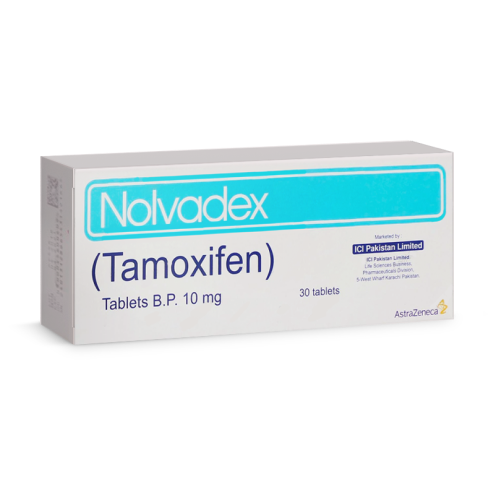
Nolvadex (Tamoxifen) in the United States: Comprehensive Guide to Use, Safety, and Access
Can Nolvadex be obtained without a prescription in the United States?
No, Nolvadex (tamoxifen) is a prescription-only medicine in the United States. It cannot be legally obtained without a valid prescription from a licensed healthcare provider.
Key Takeaways: What Every U.S. Patient Should Know About Nolvadex
- Nolvadex is primarily used to treat and prevent certain types of breast cancer.
- A valid prescription from a U.S.-licensed provider is required to obtain Nolvadex.
- Most patients notice effects within several weeks, but full benefit may require months of therapy.
- The most important safety concern is the risk of blood clots and endometrial cancer; immediate medical attention is required if symptoms occur.
- Nolvadex is not recommended for everyone—patients with a history of blood clots or certain uterine conditions may need alternatives.
- Consult your doctor promptly if you notice unusual bleeding, vision changes, or leg swelling while taking Nolvadex.
How Does Nolvadex Work in Breast Cancer?
Nolvadex is the brand name for tamoxifen, a selective estrogen receptor modulator (SERM) widely used in the treatment and prevention of hormone receptor-positive breast cancer. At the molecular level, tamoxifen acts as a competitive inhibitor of estrogen at the estrogen receptor (ER) in breast tissue. By binding to the ER, tamoxifen prevents estrogen from stimulating the growth of breast cancer cells that depend on this hormone for proliferation.
In the liver, tamoxifen is converted by CYP2D6 and other cytochrome P450 enzymes into active metabolites such as endoxifen and 4-hydroxytamoxifen, which have a higher affinity for the estrogen receptor than the parent compound. These metabolites block estrogen-driven transcription in breast tissue, thereby reducing cell division and tumor progression.*
Metaphor: Imagine the estrogen receptor is a lock and estrogen is the key that opens it to trigger cancer cell growth. Nolvadex works like a “dummy key” that fits into the lock, preventing the real key (estrogen) from opening the door.
Nolvadex does not require any special “trigger” to work—it acts systemically whenever estrogen receptors are present.
Myth: Nolvadex eliminates all estrogen in the body.
Reality: It selectively blocks estrogen action in breast tissue but can mimic estrogen in other tissues, such as the uterus and bones.
Understanding Patient Expectations: The Realities of Tamoxifen Therapy
In my practice, I find that many patients expect immediate benefits from tamoxifen, often anticipating a rapid change in their overall well-being or tumor size. However, the effects of Nolvadex are usually gradual, with clinical benefits often emerging over months rather than weeks. Another common misconception is that tamoxifen will cause menopause-like side effects in everyone, whereas many patients tolerate therapy well with only minor symptoms. Patients rarely ask about the need to report unusual vaginal bleeding or about the importance of continued gynecologic monitoring, even though these are crucial due to the risk of uterine side effects. I also observe that the psychological impact of a breast cancer diagnosis, along with fears about hormone therapy, can make adherence challenging. I encourage patients to openly discuss their expectations, side effect concerns, and to seek guidance early if they notice anything out of the ordinary.
How Should Nolvadex Be Taken?
- Standard dose: The usual starting dose for adults is 20 mg taken once daily by mouth.
- Administration: Tablets should be swallowed whole with water, usually at the same time each day. They can be taken with or without food.
- Maximum dose: In certain metastatic cases, doses up to 40 mg daily are used (divided into two doses). Never exceed 40 mg per day unless specifically instructed by your oncologist.
- Duration: Treatment typically lasts 5 years, but some patients may continue up to 10 years based on updated guidelines.
- Tablet splitting: The 10 mg tablet may be split if scored, but 20 mg tablets generally should not be split unless directed by a pharmacist.
Dose adjustment may be needed for patients with known liver impairment. There are no formal adjustments required for mild renal impairment, but caution is advised in severe cases. Always follow your oncologist’s specific instructions.
Peak effect: Tamoxifen is a long-acting medication; steady-state blood levels are reached after about 3-4 weeks of daily dosing. Individual response may vary.
If you miss a dose, take it as soon as you remember unless it is almost time for your next dose. Never double up doses.
What Should I Know About Food, Alcohol, and Nolvadex?
- Food: Nolvadex can be taken with or without meals. There is no significant effect of food—including fatty meals—on absorption or blood levels.
- Alcohol: Moderate alcohol intake is not strictly prohibited, but excessive consumption may increase the risk of liver problems and can worsen hot flashes. Discuss any alcohol use with your provider.
- Grapefruit and Juice: Although grapefruit juice is a potent inhibitor of CYP3A4, tamoxifen is mainly metabolized by CYP2D6 and CYP3A4. While moderate grapefruit intake does not appear to cause dangerous interactions, excessive intake is best avoided.
- Supplements: Some herbal products, like St. John’s Wort, can reduce tamoxifen effectiveness. Always consult your doctor before starting supplements.
| Product/Drug | Can It Be Combined? | Consequences |
|---|---|---|
| Aspirin | Yes | No significant interaction |
| Warfarin | Use with caution | May increase bleeding risk |
| SSRIs (e.g., paroxetine) | Prefer alternatives | May reduce tamoxifen effect |
| Alcohol | Moderation advised | May worsen liver and hot flash symptoms |
| St. John’s Wort | No | Reduces tamoxifen effect |
| Grapefruit juice | Moderation | Unlikely to cause severe interaction, but excessive use not recommended |
Who Should Not Take Nolvadex?
- Absolute Contraindications
- History of deep vein thrombosis (DVT) or pulmonary embolism (PE)
- Known hypersensitivity to tamoxifen or any excipients
- Concurrent use with warfarin in patients with a history of blood clots
- Pregnancy (Category D): Tamoxifen can cause fetal harm
- Relative Contraindications (Use With Caution)
- Ongoing anticoagulation therapy (other than warfarin)
- History of endometrial cancer or unexplained vaginal bleeding
- Severe liver disease
- Visual disturbances or history of cataracts
Why these restrictions? Tamoxifen increases the risk of blood clots and acts as an estrogen agonist in the uterus, raising the chance of endometrial cancer and abnormal bleeding. Pregnancy is contraindicated due to teratogenicity. Liver impairment can lead to higher toxicity.
Clinical Insight: After a major blood clot or pulmonary embolism, tamoxifen is generally avoided indefinitely unless the benefit far outweighs the risk, and only with careful hematology co-management.
What Side Effects Are Most Common with Nolvadex?
- Very Common (>1/10):
- Hot flashes
- Vaginal discharge (often non-bloody)
- Irregular menstrual periods (in premenopausal women)
- Fatigue
- Common (1/100 to 1/10):
- Nausea
- Leg cramps
- Weight change
- Headache
- Skin rash or pruritus
- Mood changes
- Rare (1/1,000 to 1/100):
- Blood clots (DVT, pulmonary embolism, stroke)
- Endometrial cancer or uterine sarcoma
- Vision changes, cataracts
- Severe liver problems
- Very Rare (<1/1,000):
- Pancytopenia (reduced blood cell counts)
- Stevens-Johnson syndrome or other severe skin reactions
Mechanisms: Hot flashes result from tamoxifen’s partial anti-estrogen effect in the hypothalamus; uterine side effects result from its partial agonist activity in the endometrium.
What to do if side effects occur: For mild symptoms, discuss management options with your doctor. If you experience leg swelling, sudden chest pain, shortness of breath, unexplained vaginal bleeding, or sudden vision changes, seek emergency medical care immediately.
Avoiding Common Pitfalls: Mistakes Patients Make When Using Nolvadex
- Stopping Nolvadex early due to mild side effects: Many patients discontinue therapy because of hot flashes or minor symptoms. This reduces the overall benefit. Always discuss symptom management with your care team before stopping.
- Inconsistent daily intake: Skipping doses or taking tablets at varying times can reduce effectiveness. Set reminders or incorporate dosing into a daily routine.
- Ignoring abnormal vaginal bleeding: Some patients attribute bleeding to menopause or menstruation. However, it may signal a serious uterine issue. Report any unusual bleeding to your doctor immediately.
- Starting new supplements without checking for interactions: Herbal products like St. John’s Wort can reduce tamoxifen’s anti-cancer effect. Always clear new supplements with your provider.
- Assuming all antidepressants are safe: Certain SSRIs (especially paroxetine and fluoxetine) can reduce tamoxifen efficacy. Use alternatives recommended by your oncologist or psychiatrist.
- Not following up with scheduled monitoring: Regular check-ins are needed to assess side effects, blood counts, and cancer status. Missing appointments can delay detection of problems.
- Disregarding the need for contraception: Pregnancy must be avoided during and for at least 2 months after stopping Nolvadex due to teratogenic risks. Hormonal contraception may not be suitable; discuss options with your provider.
How Does Nolvadex Compare to Other Breast Cancer Treatments?
Apart from Nolvadex (tamoxifen), two other main classes of hormonal therapy are commonly used in estrogen receptor-positive breast cancer: aromatase inhibitors (such as anastrozole and letrozole) and the SERM raloxifene.
| Medication | Onset Speed | Typical Duration of Therapy | Major Side Effects | Estimated Price per Month (USD) |
|---|---|---|---|---|
| Nolvadex (Tamoxifen) | Weeks | 5-10 years | Hot flashes, vaginal discharge, rare blood clots, rare uterine cancer | $30–$80 (generic) |
| Arimidex (Anastrozole) | Weeks | 5-10 years | Joint pain, osteoporosis, hot flashes | $35–$90 (generic) |
| Evista (Raloxifene) | Weeks | Varies | Leg cramps, rare blood clots, hot flashes | $60–$120 |
Bottom line: Tamoxifen remains a first-line option for many premenopausal women, while aromatase inhibitors may be preferred after menopause. Discuss individual suitability and insurance coverage with your oncologist.
Nolvadex: Key Technical Specifications
| Parameter | Value |
|---|---|
| Active Substance | Tamoxifen citrate |
| Available Strengths | 10 mg, 20 mg tablets |
| Formulation | Oral tablet |
| Half-life (T1/2) | 5–7 days (parent drug), up to 14 days (metabolites) |
| Primary Metabolism | Liver (CYP2D6, CYP3A4) |
| Excretion | Bile, feces, minor renal excretion |
| Storage | Room temperature (20–25°C / 68–77°F); protect from moisture |
| Manufacturer | Multiple (original: AstraZeneca; many generics) |
Compatibility: Nolvadex and Other Medications or Products
| Type of Product | Can It Be Combined? | Consequences |
|---|---|---|
| NSAIDs (e.g., ibuprofen) | Yes | No significant interaction |
| SSRIs (paroxetine, fluoxetine) | Not preferred | May reduce tamoxifen efficacy |
| Blood thinners (warfarin) | Use with caution | Increased risk of bleeding |
| Antacids | Yes | No significant interaction |
| Grapefruit juice | Moderation | Unlikely to significantly affect drug levels |
| Alcohol | Moderation | May worsen liver or hot flash symptoms |
How Does the Body Process Nolvadex?
After oral administration, tamoxifen is well absorbed. It is extensively metabolized in the liver by enzymes (primarily CYP2D6 and CYP3A4) to active metabolites, which have greater anti-estrogenic potency.
- Half-life: Tamoxifen has a long half-life—5 to 7 days for the parent drug and up to 14 days for its active metabolites.
- Elimination: Most is excreted via the bile and feces; only a small fraction is eliminated through the kidneys.
- Implications: Steady-state blood levels are achieved after 3–4 weeks. This explains the delayed onset of maximal clinical effect and why missed doses can have prolonged impact.
For patients with liver impairment: Drug exposure may be increased, and toxicity risk is higher—monitoring is essential.
Special Considerations: Older Adults, Liver Disease, Fertility, and More
- Older adults (>65 years): No major dose adjustments are needed, but increased risk of blood clots means careful monitoring is important.
- Liver impairment: Tamoxifen is processed in the liver. Patients with moderate to severe hepatic impairment may be at increased risk for side effects; dose adjustments may be needed.
- Fertility and family planning: Tamoxifen can cause birth defects and should not be used during pregnancy. Non-hormonal contraception is strongly recommended during and for at least 2 months after therapy stops. Tamoxifen can also induce temporary amenorrhea (lack of periods), but fertility may return after stopping.
- Driving/operating machinery: Tamoxifen does not usually affect alertness, but if you develop dizziness or vision changes, avoid activities requiring full attention.
- Breastfeeding: Not recommended during treatment, as tamoxifen may pass into breast milk and harm the infant.
How to Obtain Nolvadex in the United States: Step-by-Step Guide
- Step 1: Schedule an appointment with a board-certified oncologist or breast cancer specialist. You can do this in person or via a telemedicine provider licensed in your state.
- Step 2: Undergo evaluation including a detailed history, physical examination, and, if needed, diagnostic imaging and laboratory tests to confirm that Nolvadex is appropriate for you.
- Step 3: Receive your prescription if your doctor determines that Nolvadex is indicated in your case. This prescription may be paper or e-prescribed directly to your chosen pharmacy.
- Step 4: Fill your prescription at a licensed pharmacy (chain, local, or accredited online pharmacy) in the United States. Most insurance plans cover generic tamoxifen, but you may need prior authorization.
- Step 5: Begin therapy and arrange follow-up appointments for blood tests, cancer monitoring, and side effect management as recommended by your physician.
Tip: Bringing a list of your medications and supplements to every visit helps prevent drug interactions.
How to Identify Legitimate Pharmacies in the United States
- Choose pharmacies certified by the National Association of Boards of Pharmacy (NABP) or those displaying the VIPPS (Verified Internet Pharmacy Practice Sites) seal.
- Verify pharmacy licensure through your state board of pharmacy—most have online search tools.
- Avoid websites offering Nolvadex without a prescription, those without U.S. contact information, or those with suspiciously low prices.
- Authentic online pharmacies require you to submit a valid prescription and provide pharmacist counseling.
- Be cautious of pharmacies offering “international shipping” of Nolvadex to the U.S.; these may not meet FDA quality or safety standards and may result in product seizure or counterfeit risk.
For more information on identifying safe pharmacies, visit the NABP official website.
How to Spot Counterfeit Nolvadex and Understand Generics
- Original packaging: U.S.-approved Nolvadex comes in sealed blister packs or bottles, labeled with the manufacturer, lot number, expiry date, and, for some generics, QR codes or holograms. Fonts should be clear, consistent, and free of typographical errors.
- Tablet appearance: Nolvadex 10 mg tablets are usually white, round, and scored; 20 mg tablets are white, oval, and embossed with the manufacturer’s code (e.g., “NOLVADEX” or the generic’s identifier).
- Suspiciously low prices often signal a counterfeit or non-equivalent product, especially if offered via unverified online vendors.
- Generics: FDA-approved generics contain the same active ingredient (tamoxifen citrate) and must demonstrate bioequivalence to the brand. Inactive ingredients (excipients) may differ and, rarely, can cause allergic reactions.
- If you suspect a counterfeit, do not use the medication. Contact your pharmacy, healthcare provider, or the FDA’s MedWatch program.
- Original U.S. packaging with pharmacy label and patient name
- Manufacturer’s logo or embossing on tablets
- Lot number and expiration date match packaging and leaflet
- No evidence of tampering, broken seals, or relabeling
Generics vs Brand: Generics offer significant cost savings without compromising safety or effectiveness. They may use different dyes or fillers; discuss with your doctor or pharmacist if you have known allergies.
Myth vs Reality
Myth: Only the brand-name Nolvadex works.
Reality: FDA-approved generics are equally effective and safe for the vast majority of patients.
Acknowledging the Psychological Side of Breast Cancer
Facing a breast cancer diagnosis—and the prospect of long-term therapy—can be emotionally overwhelming. Remember, you are not alone. Seeking support from a counselor, support group, or trusted loved one can make navigating treatment easier. Open discussion with your care team about fears, anxieties, or mood changes is both common and encouraged.
What to Do in Case of Nolvadex Overdose
- Stop taking the medication immediately.
- Call the Poison Help line (1-800-222-1222) or 911 if you experience symptoms such as severe dizziness, confusion, tremors, or abnormal bleeding.
- Tell the medical team exactly what dose you took and when. If possible, bring the medication packaging with you.
- Do not attempt to induce vomiting unless advised by a medical professional.
While single large overdoses are rare, high doses can cause tremors, unsteadiness, or serious blood clotting and liver problems.
Questions Patients Often Ask Doctor About Nolvadex
- 1. How soon should I expect results from Nolvadex?
- Tamoxifen works gradually. While some patients may notice side effects like hot flashes within days, the anti-cancer effects—such as shrinking breast tissue or reducing recurrence risk—are typically apparent over several months of continuous therapy and confirmed by follow-up imaging and exams.
- 2. How will my progress be monitored while on Nolvadex?
- We monitor progress through regular physical exams, follow-up imaging (such as mammograms), and periodic blood work to check for side effects. For premenopausal women, menstrual changes are also tracked.
- 3. Should I stop Nolvadex if I want to try to conceive?
- Yes, pregnancy should be avoided during and for at least 2 months after completing Nolvadex therapy due to fetal risks. If you’re planning pregnancy, discuss timing and safe discontinuation with your oncologist in advance.
- 4. What if I take other medications for anxiety or depression?
- Some antidepressants, especially paroxetine and fluoxetine, can interfere with tamoxifen’s metabolism and effectiveness. We’ll review your medication list and may recommend alternatives if needed.
- 5. Will taking Nolvadex affect my bone health?
- Tamoxifen can help preserve bone density in postmenopausal women but may cause bone loss in premenopausal women. We may monitor bone health with DEXA scans during long-term therapy.
- 6. Is long-term therapy with Nolvadex safe?
- For most patients, 5–10 years of therapy is both safe and beneficial, but risks such as blood clots and uterine side effects require ongoing monitoring. The benefit-risk balance is always revisited during follow-up.
- 7. Can I switch to a different medication if side effects are bothersome?
- Yes, alternative therapies such as aromatase inhibitors or ovarian suppression may be considered, especially if side effects are significant or your risk profile changes.
Clinical Assessment by a U.S. Breast Cancer Specialist
In my clinical judgment, Nolvadex (tamoxifen) is most beneficial for women with estrogen receptor-positive (ER+) breast cancer, especially those who are premenopausal or who have contraindications to aromatase inhibitors. It is also valuable for reducing the risk of breast cancer recurrence and for risk reduction in high-risk populations without cancer. However, patients with a personal or strong family history of venous thromboembolism, or those with active uterine disease, may not be ideal candidates due to heightened risk of serious complications. For postmenopausal patients, aromatase inhibitors may provide a more favorable risk profile, particularly regarding uterine and thrombotic side effects, though bone health must be monitored closely. Choice of therapy is nuanced and individualized, factoring in tumor characteristics, comorbidities, menopausal status, and patient preference. Regular reassessment is crucial, as changes in clinical status or tolerability may prompt a switch to alternative endocrine therapies. My overarching priority is to ensure that the selected therapy provides durable benefit while minimizing preventable harm.
FAQ: Nolvadex Use in the United States
- Is Nolvadex only used for breast cancer?
- While Nolvadex is primarily prescribed for hormone receptor-positive breast cancer treatment and prevention, it may occasionally be used off-label for other estrogen-related conditions under medical supervision.
- How long do I need to take Nolvadex?
- Standard therapy lasts 5 years, but recent studies suggest up to 10 years may provide additional benefit for some patients. The actual duration should be individualized with your oncologist.
- Is a prescription required for Nolvadex in the U.S.?
- Yes. Nolvadex (tamoxifen) is a prescription-only medication in the United States.
- What are the most serious risks with Nolvadex?
- The most significant risks include blood clots (deep vein thrombosis, pulmonary embolism), stroke, and endometrial (uterine) cancer.
- How much does Nolvadex cost in the United States?
- Generic tamoxifen typically costs $30–$80 per month (20 mg daily), depending on your pharmacy and insurance plan.
- Can Nolvadex be shipped to me from another country?
- Importing prescription medications for personal use is generally not permitted under FDA regulations and can be risky due to counterfeit concerns.
- Can I take Nolvadex if I am pregnant or breastfeeding?
- No. Nolvadex can cause birth defects and is not advised during pregnancy or breastfeeding. Use effective non-hormonal contraception while on therapy.
- Will Nolvadex interact with my other medications?
- Some medications, especially certain antidepressants (SSRIs) and blood thinners, can interact with tamoxifen. Always provide your full medication list to your doctor.
- Can I drink alcohol while taking Nolvadex?
- Moderate alcohol intake is generally safe, but excessive drinking can increase liver and side effect risks. Discuss your alcohol use with your healthcare team.
- Do I need special tests while on Nolvadex?
- Yes. Regular monitoring may include blood counts, liver tests, gynecological exams, and periodic imaging studies to assess cancer status and watch for side effects.
References
- U.S. Food and Drug Administration (FDA), Tamoxifen Prescribing Information. Accessed 2026. https://www.fda.gov/
- National Cancer Institute (NCI), Breast Cancer—Patient Version, Tamoxifen. Accessed 2026. https://www.cancer.gov/
- National Comprehensive Cancer Network (NCCN), Breast Cancer Guidelines v.2026. Accessed 2026. https://www.nccn.org/
- National Association of Boards of Pharmacy (NABP), Pharmacy Verification. Accessed 2026. https://nabp.pharmacy/
- Burstein HJ et al. Adjuvant Endocrine Therapy for Women With Hormone Receptor–Positive Breast Cancer: ASCO Clinical Practice Guideline Focused Update. J Clin Oncol. 2024. https://pubmed.ncbi.nlm.nih.gov/
- Mayo Clinic, Tamoxifen (Oral Route) Side Effects. Accessed 2026. https://www.mayoclinic.org/
- ClinicalTrials.gov, Tamoxifen Studies. Accessed 2026. https://clinicaltrials.gov/
- American Society of Clinical Oncology (ASCO), Tamoxifen Information. Accessed 2026. https://www.asco.org/

Recent Posts

January 6, 2025
-
October 24, 2024
-
January 4, 2023