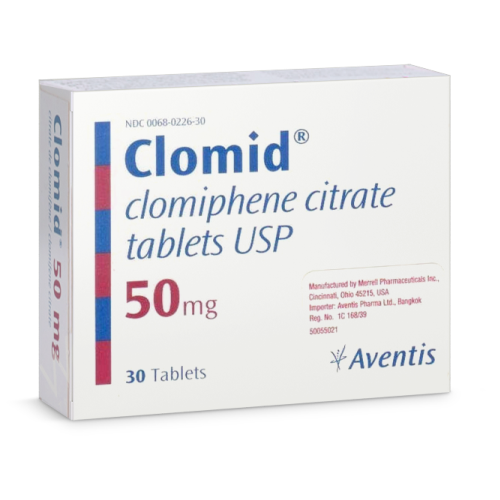
The Clomid Moment: A Turning Point in the Infertility Journey
Picture this: You’re sitting in your doctor’s office, hands folded, waiting for answers that have felt out of reach for months—or maybe years. The tests are in, the chart is open, and you hear, “I think it’s time we try Clomid.” For many women in the United States, this is the moment when hope and anxiety mix. Clomid isn’t just a pill; it’s a new chapter. The prospect of ovulation—something your body hasn’t been doing reliably—suddenly becomes a possibility, and with it, the chance for pregnancy without moving immediately to invasive or costly procedures.
Clomid’s legacy is built on decades of use. Approved by the FDA in the late 1960s, it’s become the most prescribed fertility medication for women who do not ovulate regularly, especially those diagnosed with polycystic ovary syndrome (PCOS) or unexplained anovulation. In the United States, it’s often the first-line pharmacologic treatment before considering options like injectable gonadotropins or assisted reproductive technologies (ART) such as IVF.
Some sources estimate more than 70% of Clomid prescriptions are for women with PCOS or similar ovulatory issues.[1]
“Clomid marks a real inflection point for women in the infertility process. It’s often when the journey moves from hope and frustration to actionable steps.”
But that moment is layered. Relief at having a medical plan is quickly joined by tough questions: Will it work for me? How long before I know? What if nothing happens? The rest of this article focuses on what happens after “Let’s try Clomid”—from mechanisms to expectations, from side effects to access, all through the eyes of real patients in the U.S. system.
Does Clomid Fit Your Fertility Puzzle?
Not every patient struggling to conceive is a candidate for Clomid. Its power—and its limits—are determined by why you’re not ovulating in the first place. Clinical guidelines in the United States consistently recommend Clomid for women who have irregular or absent ovulation and otherwise normal uterine and tubal anatomy, and whose partner’s sperm analysis is reassuring.[2]
- Most likely to benefit: Women with PCOS, unexplained anovulation, or irregular cycles—especially those under 35.
- Less likely to benefit: Women with low ovarian reserve, blocked fallopian tubes, severe male factor infertility, or unexplained infertility after multiple failed cycles of Clomid.
- Not recommended: Women with primary ovarian insufficiency (premature menopause), hormone-dependent tumors, or a history of certain liver disorders.
PCOS and Clomid: For women with polycystic ovary syndrome, Clomid is often the first medication prescribed to induce ovulation. However, response rates vary—about 70-80% will ovulate, but only about 30-40% achieve pregnancy within six cycles.[3]
Why does this matter? Because Clomid’s main job is to kickstart ovulation. If the issue is elsewhere—like blocked tubes, severe sperm issues, or low egg count—Clomid might not solve it. That’s why a thorough infertility workup is crucial before starting, and why U.S. clinicians spend time ruling out other causes before reaching for the prescription pad.
Clomiphene in Action: How Clomid Actually Gets You Ovulating
Clomiphene, the active ingredient in Clomid, acts like a molecular trickster. It binds to estrogen receptors in the brain, convincing your body that estrogen levels are lower than they really are. This “estrogen blockade” prompts your pituitary gland to release more follicle-stimulating hormone (FSH) and luteinizing hormone (LH)—the very hormones needed to mature and release eggs from your ovaries.
- Ovulation
- The release of a mature egg from the ovary, typically necessary for pregnancy. Most fertility treatments aim to restore or regulate ovulation when it’s not occurring naturally.
In practical terms, Clomid induces ovulation in women whose hormonal signaling is out of sync. It does not help women whose ovaries can no longer respond to these hormone signals (as in primary ovarian insufficiency) or whose eggs can’t reach the uterus (as with blocked tubes). The difference between Clomid and other fertility medications—such as injectable gonadotropins—is not just the route of administration. Clomid prompts your body to do the work; injectables can override the system entirely, often at higher risk and cost.
- Clomid is oral, usually taken once daily for five days early in the cycle.
- Injectable options are used when Clomid fails or isn’t appropriate, often requiring closer monitoring and more intensive protocols.
- Letrozole, another oral agent sometimes used off-label, works through a different hormonal pathway but is often considered after Clomid if there’s no response.
Why not jump straight to more aggressive treatments? For most patients, Clomid offers a balance: high efficacy with comparatively low risk, minimal invasiveness, and the ability to remain in the care of their OB/GYN instead of moving immediately to a fertility specialist.
What Starting Clomid Really Feels Like—Week by Week
The first Clomid cycle is filled with anticipation and, for many, a swirl of new sensations. Some women feel nothing unusual. Others notice mood swings, hot flashes, or subtle pelvic twinges as ovulation approaches. The timeline below outlines what a typical Clomid cycle looks like—and what you might actually feel along the way.
- Day 3-5: Your period starts. Clomid is usually started between day 3 and 5, taken for five consecutive days.
- Day 6-10: Clomid continues. Some women experience hot flashes, headaches, or mood changes during these days.
- Day 12-18: Ovulation window. Many doctors recommend ovulation predictor kits or timed intercourse during this phase.
- Day 21+: Progesterone levels may be checked via bloodwork to confirm ovulation.
- Day 28: Pregnancy test if your period hasn’t started. If not pregnant, the next cycle starts and the pattern repeats (up to six cycles).
Tip: Keep a journal of symptoms, side effects, and cycle days. This helps both you and your doctor track Clomid’s effects and adjust as needed.
Clomid cycles can feel repetitive but are rarely identical. Some patients see ovulation on their first try; others require dose adjustments or multiple cycles. Most U.S. fertility experts advise not exceeding six cycles, as success rates plateau and risks—like ovarian cysts or rare complications—rise with prolonged use.
Which Side Effects Matter Most with Clomid—and When to Act
Clomid’s side effect profile is one reason it’s so widely used—it’s generally well tolerated, with most side effects being mild and temporary. Yet, certain reactions do matter, both for comfort and safety. Here’s how real patients in the United States experience Clomid and what you should watch for.
- Hot flashes: The most common side effect, affecting up to 1 in 3 women. Typically lasts only during the days you’re taking Clomid.
- Mood swings and irritability: Many women report feeling emotionally “off” or more sensitive during a cycle. These changes usually resolve as the medication leaves your system.
- Headaches and visual changes: Blurred vision or seeing spots is rare but important—these symptoms should always prompt a call to your provider.
- Ovarian cysts: Sometimes, the ovaries over-respond, forming cysts that cause pelvic discomfort or bloating. Most resolve on their own but require follow-up if you experience severe pain.
- Multiple pregnancy: About 7-10% chance—mostly twins. This is higher than with natural conception but much lower than with injectable fertility drugs.
| Side Effect | How Common? | When to Contact Your Doctor |
|---|---|---|
| Hot flashes | Very common (up to 30%) | If severe, persistent, or accompanied by fever |
| Mood changes | Common (10-20%) | If severe mood swings, depression, or anxiety occur |
| Headache | Moderate (10%) | If persistent or interfering with activities |
| Visual disturbances | Rare (<2%) | Immediately if you notice blurred vision, flashing lights, or visual field loss |
| Ovarian cysts | Occasional (5-10%) | If sudden pelvic pain, bloating, or swelling develops |
| Multiple pregnancy (twins) | Moderate (7-10%) | If you become pregnant, your doctor will monitor for multiples |
| Ovarian hyperstimulation syndrome (OHSS) | Rare (<1%) | Immediately if severe abdominal pain, rapid weight gain, or difficulty breathing |
For the vast majority of women, side effects are manageable and fade quickly. The critical exceptions—visual changes, severe pain, or symptoms of OHSS—always require urgent medical attention. Be direct in reporting any new or worrying symptoms, even if they seem minor.
Clomid vs. the Alternatives: Table & Clinical Realities
Choosing a fertility medication isn’t just about science—it’s about your life, your resources, and your willingness to take on certain risks. In the United States, Clomid is most often compared to letrozole and injectable gonadotropins. Below, a practical comparison to help clarify what sets Clomid apart.
| Medication | How It Works | Typical Candidates | Administration | Effectiveness (Ovulation Rate) | Effectiveness (Pregnancy Rate per Cycle) | Risk of Multiples | Side Effects | Monitoring Needed | Cost/Insurance | Prescription Status (U.S.) |
|---|---|---|---|---|---|---|---|---|---|---|
| Clomid (clomiphene) | Estrogen receptor blocker in brain, boosts FSH/LH | PCOS, anovulation, unexplained infertility | Oral, 5 days early cycle | ~70-80% | ~10-15% | 7-10% (mostly twins) | Hot flashes, mood, rare visual changes | Minimal to moderate (bloodwork, sometimes ultrasound) | Low, often covered (generic options) | Prescription only |
| Letrozole | Aromatase inhibitor, lowers estrogen to boost FSH | PCOS, Clomid non-responders | Oral, 5 days early cycle | ~75-80% | ~12-20% | 4-6% | Fatigue, dizziness, headache | Minimal | Low to moderate (off-label use, insurance varies) | Prescription only |
| Injectable gonadotropins | Directly stimulates ovaries with FSH/LH | Clomid/letrozole failures, IVF prep | Subcutaneous injection, daily | >90% | ~15-25% | 15-30% (twins, triplets or more) | Bloating, OHSS, injection site issues | Intensive (frequent ultrasounds, labs) | High, often not covered unless IVF indicated | Prescription only, specialty pharmacy |
Interpretation: For many U.S. patients, Clomid represents the sweet spot—easy to use, highly effective for the right diagnosis, and far less risky or expensive than moving to injectables or IVF. Letrozole may be preferred in some cases, especially for women with PCOS who don’t respond to Clomid, but insurance coverage for letrozole as a fertility treatment is inconsistent. Injectable gonadotropins are powerful but come with substantially higher multiple pregnancy rates, the need for close monitoring, and much steeper costs.
Bottom line: Most patients and providers start with Clomid for good reason. But the “right” choice is always individualized—your diagnosis, your insurance, your comfort with risk and monitoring.
Who Should Not Take Clomid? Absolute and Relative Contraindications
- Are already pregnant or suspect you might be
- Have uncontrolled thyroid or adrenal dysfunction
- Have liver disease or a history of significant liver disorders
- Have abnormal uterine bleeding of unknown cause
- Have an ovarian cyst not due to PCOS
- Are allergic to clomiphene or any component of Clomid
Relative contraindications—use only with close doctor supervision:
- History of hormone-dependent tumors (e.g., certain types of breast cancer)
- Visual disturbances with prior Clomid use
- Unexplained pelvic pain or suspected ovarian mass
If any of these apply to you, discuss alternative infertility treatments with your doctor. These contraindications are enforced because the risks outweigh the potential benefits—sometimes by a wide margin.
For women with any of these conditions, other fertility strategies—sometimes including referral to a reproductive endocrinologist—are safer and more effective. American guidelines are clear: No matter how tempting an “easy” option like Clomid may seem, safety comes first.
Clomid Dosing: What Determines Your Dose and How It’s Taken
Clomid dosing is less about mathematical precision and more about clinical response. Most women in the United States start at 50 mg daily (one pill) for five days early in the menstrual cycle, typically starting between day three and five. If ovulation doesn’t occur, the dose may be increased in subsequent cycles—sometimes up to a maximum of 150 mg daily. More is not always better; high doses increase side effect risks but don’t always improve pregnancy rates.
| Patient Situation | Starting Dose | Schedule | Maximum Dose |
|---|---|---|---|
| Typical first cycle, regular weight | 50 mg daily | Days 3-7 (or 5-9) of cycle | Up to 150 mg daily |
| No ovulation after first cycle | 100 mg daily | 5 days early in cycle | Up to 150 mg daily |
| PCOS or higher body weight | 50-100 mg daily | As above | Rarely exceeds 150 mg daily |
| Renal or hepatic impairment | Not recommended | – | – |
Unlike many medications, Clomid is rarely adjusted for age, and it is not recommended for women with significant liver or kidney impairment. Bloodwork and ovulation tracking—not just dosage—guide each step. You won’t be left guessing when to take the next cycle; your doctor sets the pace, and insurance coverage is rarely a barrier for the generic form in the U.S.
Getting Clomid in the United States: Prescription, Insurance, and Practical Tips
Accessing Clomid in the United States is straightforward—but only if you follow the proper steps. Clomid is a prescription-only medication, authorized by the Food and Drug Administration (FDA) for the treatment of certain types of female infertility.[1] You cannot legally purchase it over-the-counter or from online pharmacies that circumvent prescription requirements.
- Get a fertility workup: Your OB/GYN or fertility specialist will order bloodwork, imaging, and a semen analysis for your partner.
- Receive a Clomid prescription: Only a licensed provider (MD, DO, NP, or PA) can prescribe Clomid in the U.S.
- Fill at a pharmacy: Both brand-name and generic clomiphene citrate are widely available at retail and mail-order pharmacies.
- Insurance coverage: Most plans cover generic Clomid for diagnosed infertility; co-pays are usually modest, but always check your insurer’s formulary.
- Monitoring and follow-up: Some doctors recommend ultrasounds or lab tests during treatment; rarely required for basic cycles but more common with specialists.
Tip: If your pharmacy quotes a high price, ask about generic clomiphene citrate. Brand-name Clomid can be several times more expensive without added clinical benefit.
Be wary of online sources that offer clomiphene without a prescription. In the United States, legitimate telehealth providers must still require a valid doctor’s prescription and appropriate medical evaluation. The FDA does not recognize or approve the sale of Clomid from foreign or unregulated websites.
Local access is strong: nearly all chain pharmacies and many independent pharmacies stock the generic. If you live in a rural area or have unique insurance issues, mail-order options are available from reputable U.S. pharmacies.FDA
“In my practice, most women receive their first Clomid prescription from their primary OB/GYN. Only after several unsuccessful cycles do we refer to fertility specialists for more advanced options.”
FAQ: The Questions About Clomid That Patients Actually Ask
- How long does it usually take to get pregnant on Clomid?
- Most pregnancies with Clomid occur within the first three to six cycles. If you haven’t conceived after six cycles, your doctor will likely recommend switching to another approach. Only about one-third of women who ovulate with Clomid will get pregnant during a typical course.
- Can I take Clomid if I don’t have periods at all?
- Yes, women with absent or very irregular periods (anovulation) are often good candidates. Your doctor will usually induce a period with another medication before starting Clomid to synchronize your cycle.
- What happens if Clomid doesn’t work for me?
- If you don’t ovulate or conceive after several cycles, alternative treatments like letrozole, injectable fertility drugs, or assisted reproductive technologies may be recommended. Your doctor will reassess your diagnosis and may suggest additional testing or referral to a fertility specialist.
- Is it safe to take Clomid for more than six cycles?
- Most clinicians in the United States advise against using Clomid beyond six cycles due to diminishing pregnancy rates and increased risks, like ovarian cysts. Long-term safety data beyond six cycles is limited.
- Will I have to do blood tests or ultrasounds every cycle?
- Basic cycles can often be managed with minimal monitoring (sometimes just a progesterone blood test to confirm ovulation). More complex cases or higher doses may require ultrasounds to monitor follicle development and prevent complications.
- Can Clomid cause birth defects or long-term harm to my baby?
- Studies have not shown a significant increase in birth defects with Clomid when used as directed. However, the risk of multiple pregnancy (mainly twins) is increased, which carries its own set of potential complications that your doctor will discuss with you.
- What if my insurance doesn’t cover Clomid?
- Generic clomiphene citrate is relatively inexpensive in the U.S., often costing $10-30 per cycle. If your insurance doesn’t cover it, ask your doctor or pharmacist about discount programs or pharmacy coupons that can lower the out-of-pocket cost.
- How do I know if I’m ovulating on Clomid?
- Most women rely on ovulation predictor kits or a mid-cycle blood test to confirm ovulation. Some providers may use ultrasound monitoring, especially in fertility clinics. If your cycles remain irregular or you don’t see a positive test, report this to your doctor promptly.
References
- FDA: https://www.fda.gov
- American Society for Reproductive Medicine (ASRM): Fertility Treatment Guidelines. 2023.
- Mayo Clinic: Female infertility. https://www.mayoclinic.org/diseases-conditions/infertility/symptoms-causes/syc-20354317
- Practice Committee of the American Society for Reproductive Medicine. Use of clomiphene citrate in the treatment of infertility. Fertil Steril. 2021.
- PubMed: https://pubmed.ncbi.nlm.nih.gov
- CDC: Infertility – Reproductive Health. https://www.cdc.gov/reproductivehealth/infertility/index.htm
- Clomid Prescribing Information, Sanofi.
- RESOLVE: The National Infertility Association. https://resolve.org